About me
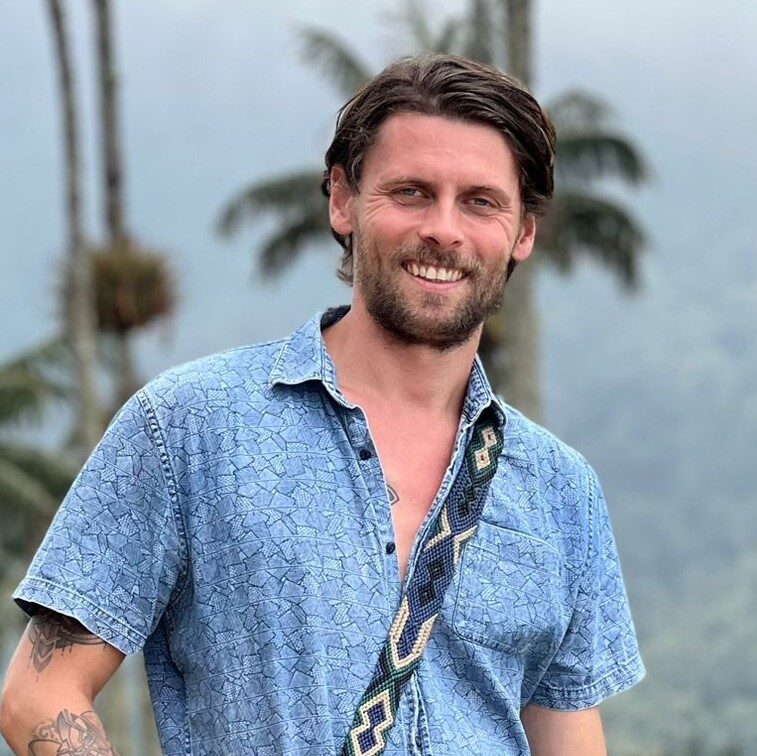
I’m Daniel, I’ve been traveling full-time since 2016. To me, travel isn’t just ‘something you do’, it’s a lifestyle, a philosophy, a bridge into deep personal growth. Now, I want to help you use travel as an avenue for self-transformation, while, of course, enjoying the process
Get yourself sorted
Categories
You Don't Just Want to Travel. You Want a Different Life
There’s a specific kind of restlessness that’s hard to explain to people around you. It’s not that life is bad. It’s more that it doesn’t feel like it’s really yours yet.
You look at people who’ve picked up a backpack and gone, really gone, and something in your responds to that. Not just people it looks fun or adventurous, but because there’s a rawness to it. A deeper freedom, discomfort, and self-responsibility that looks like it might actually change you.
Most people who feel this way never actually go. They wait until they feel ready, until they have more money, or until the timing is better. But the timing never gets better. You start to realize, there’s always another excuse preventing you from building the life you actually dream of.
You might not be able to quite put your finger on it yet. Maybe it’s fear of it not working, not knowing how to get started, cultural conditioning, or it just seems like way too big of a leap that you’re just not ready for yet.
And the ones who do go often get stuck at the surface. They move fast and tick things off, often staying in their comfort zones with a different backdrop. Coming home changed in small ways, but not in ways that actually matter.
Traveling has an enormous potential to change your life, as long as you do it right. That means not treating it as a vacation, but thoroughly soaking into the culture, meeting new people, getting off the beaten track, and most importantly, using it as a springboard to shift your identity.
Travel is a right of passage, and that’s the point of the course. To teach you everything I know about doing the whole backpacking thing the right way, so you pass this rite of passage with flying colors, and notice major shifts in the quality of your life.
Recommended direction: Lead with the deeper desire, not the surface want. “Travel” in the headline is fine but shouldn’t be the whole idea. The reader should feel like you’ve named something they haven’t been able to name themselves.
2. Opening Hook (100-200 words)
This section does one job: make them feel understood:
3. The Problem (Agitation Section)
Name the specific frustrations and fears your buyer already has. Don’t invent problems. Reflect ones they’re already living.
Key pain points to address:
- The gap between wanting this and knowing how to actually do it feels enormous
- The internet is full of travel content but almost none of it is honest about the hard parts
- Solo travel sounds lonely, risky, or like something you need to already be confident to do
- You don’t know if you’re the kind of person who can pull this off
- Everyone around you thinks it’s irresponsible, naive, or a phase
- You’re afraid of going and it being less than you hoped, or of coming home the same person
Here’s the honest reality of trying to figure this out on your own.
You spend hours consuming travel blogs, Reddit threads, and YouTube videos. You get decent at finding flight deals. You know the general idea. But you still don’t have a real framework for how to actually live this way, how to handle the hard moments, how to go somewhere alone and actually thrive instead of just survive.
Most travel content teaches you logistics. Where to go. What to pack. How much things cost. None of it teaches you the part that actually matters, which is what to do with yourself when you’re sitting in a guesthouse in a city you’ve never been to, questioning everything, wondering who you’re becoming and whether this was the right choice.
That’s the part nobody talks about. And it’s the part that determines whether travel genuinely changes you, or just gives you good stories.
4. Your Credibility (The “Why You” Section)
This needs to feel lived-in, not impressive. Don’t list achievements. Tell the truth about the journey.
Key things to establish:
- 10 years of actual, continuous travel, not gap years or holidays
- You learned this the hard way, through real mistakes with real consequences
- You’ve seen what transforms people and what doesn’t
- You’re not selling a fantasy, you understand the full picture including the difficulties
Draft passage:
I’ve been doing this for ten years.
Not vacations. Not sabbaticals. A decade of actually living out of a backpack, moving through countries, building my life on the road and figuring out, slowly and often the hard way, what this lifestyle actually requires.
I’ve made the expensive mistakes. I’ve hit the walls. I’ve felt the loneliness and the disorientation and the specific kind of freedom that’s terrifying before it becomes the best thing you’ve ever chosen.
I’ve also watched what happens to people who approach travel with real intention. Who go in asking bigger questions than just “where next.” The shift that happens in those people is real. It’s lasting. It goes home with them even when they do.
That’s what this course is built from. Not research. Not theory. Ten years of figuring out what actually works.
5. Introducing the Course
Now you name it and frame it clearly. Short. Direct. Don’t over-explain yet.
Draft passage:
Holistic Traveler is a course built for people who want to go from never having traveled solo to genuinely thriving on the road, with the mindset, skills, and inner framework to make it a real turning point in your life.
This isn’t a packing guide or a destination database.
It’s a complete training in how to become an independent, confident, deeply engaged traveler, and how to use the experience to grow in ways you can’t access sitting still.
6. What You’ll Learn (Course Modules)
Present this in two columns or layers: the practical skills, and the deeper transformation. Make it clear both are happening simultaneously.
Framework suggestion:
Organize modules into three phases that mirror the real arc of becoming a traveler:
Phase 1: The Foundation Building the mindset and the plan
- How to actually think about travel as a lifestyle, not a trip
- Letting go of the scripts holding you back and building real conviction
- Planning your first trip with clarity and confidence
- Budgeting, saving, and making the money side work in reality
Phase 2: The Skills Everything you need to thrive on the road
- Accommodation, transport, navigation, gear, safety
- The social side of solo travel, making connections, dealing with loneliness
- Staying healthy, managing energy, avoiding burnout
- Handling the hard moments that nobody’s Instagram prepares you for
Phase 3: The Transformation Using the experience as a genuine growth vehicle
- How to travel with intention instead of just movement
- Inner work practices that amplify what travel does to you
- Building self-awareness, resilience, and identity through real experience
- Making it sustainable: long-term travel as a lifestyle, not a one-time event
7. The Real Outcomes (Benefits Section)
Translate each module into life outcomes. Not “you’ll learn X,” but “you’ll become someone who…”
Structure:
By the time you finish this course, you won’t just know how to travel. You’ll be someone who:
- Steps off a plane in a country you’ve never been to and knows exactly how to navigate it
- Has a real relationship with discomfort instead of being controlled by it
- Carries a level of self-reliance and confidence that shows up in every area of your life
- Knows how to go deep in a place instead of just passing through it
- Has a framework for using experience as a genuine growth tool, not just as entertainment
- Can sustain this lifestyle long-term instead of burning out after one trip
8. Who This Is For / Who It Isn’t For
This section builds massive trust by being honest about fit. Don’t try to appeal to everyone.
This is for you if:
- You’re young, relatively inexperienced, and genuinely drawn to the idea of long-term solo travel
- You want more from this than a holiday. You want something that changes you.
- You’re willing to be uncomfortable, uncertain, and challenged by the process
- You’ve been thinking about doing this for a while and something keeps stopping you
This probably isn’t for you if:
- You want a weekend getaway guide or package holiday tips
- You’re looking for someone to tell you travel is always incredible and easy
- You’re not actually willing to leave your comfort zone, just thinking about it
9. Social Proof Placeholder
You’ll need testimonials here eventually. Even early testimonials from beta students carry real weight. Frame them around transformation outcomes, not just “great course.”
“Before this I genuinely didn’t think I was someone who could do this. Six months later I’ve been through eight countries solo and I feel more like myself than I ever have.”
10. The Investment & What’s Included
Keep this clear and confident. Don’t apologize for the price. Frame it as the most efficient investment they can make toward this version of their life.
Framing suggestion:
Most people spend years figuring this out on their own. The mistakes cost money. The trial and error costs time. The emotional cost of going in unprepared is real.
This course compresses a decade of lived experience into a structured path you can walk before you ever leave home.
That’s not just a travel education. That’s a head start on the version of your life you’ve been thinking about.
11. Closing Call to Action
End with something that speaks to the exact emotional state they’re probably in right now: standing at the edge, wanting to jump but holding back.
Draft:
You’ve probably read this far because something in here landed.
That feeling isn’t going to go away. People who are drawn to this kind of life don’t usually stop being drawn to it. They either eventually go, or they spend a long time wishing they had.
The only real question is whether you go prepared or whether you figure it out the hard way.