Table of Contents
Traveling is great and all, but it doesn’t mean a whole lot unless there is a deeper meaning behind it. When we truly desire to deepen ourselves personally, socially, and spiritually through travel, that’s where the real magic happens!
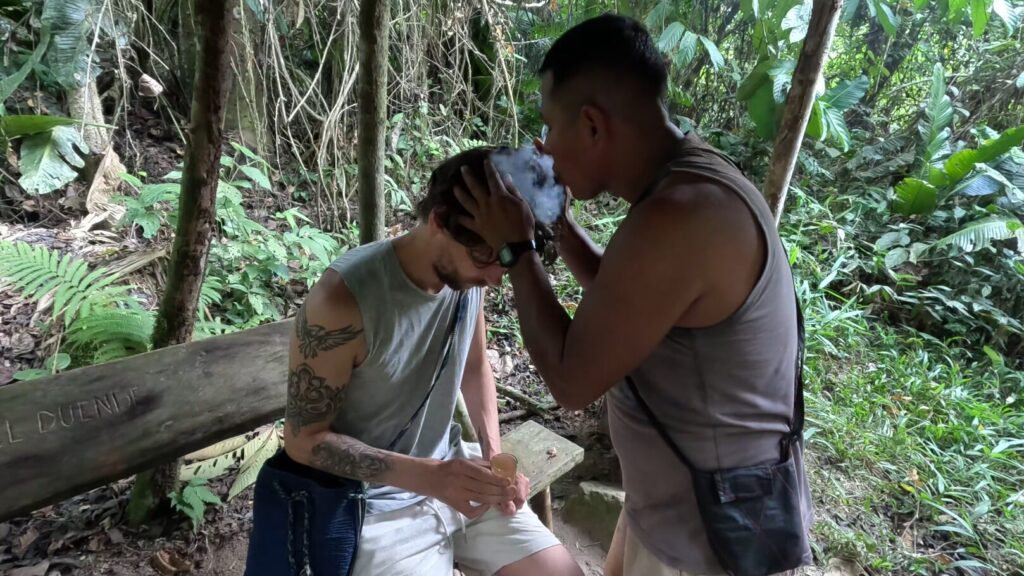
After 3 days and nights isolated in a Tipi without food or water in the mountains of Peru, I wondered why on Earth I wanted to do a vision quest. But… this type of shamanic initiation was something I deeply desired in my quest for self-discovery.
For 8 years, I had been living out of a backpack and traveling the world in an attempt to find myself. It all started with my lack of fulfillment, an insatiable thirst I didn’t know how to quench. So, I began my soul-search journey by taking to the nomadic lifestyle and exploring all this world had to offer.
Traveling is undoubtedly a rewarding experience. You see new cultures and places and meet many interesting people, but something is often missing – the spark. Creature comforts, sightseeing, and doing touristy stuff can feel dull if there isn’t a deeper meaning to your travels.
You can spend a year backpacking the world and having a wonderful time. You can also spend a year backpacking the world on an internal quest for understanding, and grow so much as a person because of it.
In the hustle and bustle of our fast-paced world, Spiritual travel has become more of an appeal because, well… we need it more than ever. Therefore, in this article, we’re going to talk all about spiritual travel so that you can seek better experiences that truly make a difference.
What Is Spiritual Travel?
Spiritual travel refers to backpacking solo (usually for extended periods) in the pursuit of self-discovery and understanding. It involves traveling to seek inner peace and to cultivate a deeper connection with the soul.
Think of spiritual traveling as a means of soul-searching. Anyone who travels to find deeper meaning in their life can be considered a spiritual traveler.
Spiritual traveling is not about spending years detached from society in the remote Himalayas under the guidance of a guru. Neither do you need to apprentice under a shaman in the Amazon to do it right. All it’s about is using travel as a bridge to go inwards, not outwards.
How Does Someone Become a Spiritual Traveler?
People who orient their travels towards soul-searching tend to have very different experiences from people on vacation. The structure, intention, and purpose of their journey fundamentally differ from people who travel to have a vacation which generally leads to more profound experiences, realizations, and insights.
Spiritual travelers tend to orient their journeys toward culture, tradition, and spiritual modalities. This may involve exploring different philosophies, ways of life, cultural traditions, and religious events.
Some people on the inward journey may participate in pilgrimages, shamanic traditions, community living, volunteering, or seeking teachers or mentors. Other people on this soul-searching journey may spend years backpacking the world by themselves to seek a deeper understanding of themselves, inner fulfillment, and happiness.
Being on a spiritual journey doesn’t mean you can’t have fun! You can still enjoy all the world has to offer, because all of these experiences, too, are part of the self-discovery journey.
However, your journey shouldn’t be oriented around pleasure, because doing so will create more discontent, while veering towards self-discovery leads to a deeper fulfillment and appreciation of life.
Here are some ways that spiritual travel differs from touristic travel:
Spiritual travel
- Intention: Self-discovery and soul-searching
- Focus: Inner world – To learn about oneself through the many modalities, traditions, and teachers the world has to offer
- Seeking: Inner peace, fulfillment, wisdom
- Destination: Towards authentic culture and tradition, generally off the beaten track
- Accompany: Usually by oneself
- Duration: Generally for long periods or indefinitely
Touristic travel
- Intention: To have fun and unwind
- Focus: Outer world – To enjoy their travels and see new places
- Seeking: Pleasure and entertainment
- Destination: Generally tourist places, on the beaten track
- Accompany: Often with friends, family, or a partner
- Duration: Generally a set period, for weeks or months
What Do Spiritual Travelers Look For?
Spiritual travel revolves around a different set of values than regular travelers and is more oriented towards the inner world of self-discovery and the search for meaning. Because of this, you tend to have a very different, more existential experience.
Here are some of the things spiritual travelers seek:
- A deeper meaning to their lives: Traveling allows individuals to step outside their comfort zones, encounter new cultures, and interact with diverse perspectives. This exposure can lead to a deeper understanding of oneself while cultivating inspiration and personal growth.
- Clarity and life direction: Traveling can encourage mindfulness as it gives you space from the stresses and distractions of daily life. This spaciousness makes it easier to focus on your thoughts and emotions, which can lead to more clarity and self-understanding.
- Seeking Healing and Renewal: Some travelers embark on journeys to heal from emotional or spiritual wounds, seeking renewal and rejuvenation. Retreats, wellness centers, or spiritual workshops can provide spaces for reflection, meditation, and healing practices.
- Understanding of various traditions and modalities: Visiting sacred sites, temples, churches, or historical landmarks can deeply enrich spiritually. These places often hold cultural and historical significance, giving travelers insights into different belief systems, rituals, and traditions.
- Life Experience: Traveling exposes individuals to diverse cultures, beliefs, and lifestyles. When traveling solo, you tend to go through many diverse experiences in all shapes and forms, which ultimately leads to more knowledge and wisdom.
- Restoration of faith: Spiritual travel involves seeking common ground amongst religions and spiritual belief systems, and cultivating a deeper understanding of spirituality. This is why spiritual travelers often seek pilgrimages, worship, and tradition to cultivate a deeper connection with the soul.
- Transformation and Growth: Through the challenges and adventures of travel, individuals may undergo transformative experiences. These experiences can lead to spiritual growth, expanded perspectives, and a deeper appreciation for the beauty and complexity of life.
Avoid the Spiritual Tourist Traps
When looking for opportunities to more deeply explore oneself, you want to be a little discerning before you wind up in a $3000 men’s retreat.
As more people are setting out on a soul-searching journey, looking for themselves, a wave of crummy commercialized spiritual experiences has popped up all over the world. Wherever there are people exploring spirituality, others are profiting off them.
I first discovered the depth of this while spending time in Iquitos, Peru. With Ayahuasca being cast into the spotlight, we see the emergence of many shady shamans who charge exorbitant fees to participate in a ceremony. Unfortunately, I witnessed the dark side of this exploitation, as I soon after met an individual who became psychotic following a ceremony.
Spiritual tourism and authentic spiritual experiences represent two distinct approaches to engaging with spirituality and travel:
Spiritual Tourism
Spiritual tourism lacks the internal exploration or deeper purpose behind the actions. The primary purpose of spiritual tourism is to seek experiences that are perceived as transformative or sacred, often as part of a planned itinerary or organized tour. This is where people do these things as a novelty,
Spiritual tourism is often commercialized. It caters to tourists seeking packaged spiritual experiences such as wellness retreats or structured programs that promise personal growth or healing. Likewise, spiritual tourism involves visiting ‘spiritual’ places that are over-commercialized and essentially a tourist trap. If everyone has their phone out taking photos, it’s a good indication to avoid it.
Authentic Spiritual Experiences
Authentic spiritual experiences are generally more spontaneous, often including profound moments of introspection, insight, and deeper understanding of oneself and the world.
These experiences are less about visiting famous sites and more about the inward journey of self-discovery, contemplation, and personal transformation. They are characterized by a genuine and unmediated interaction with spiritual and cultural elements, often driven by personal curiosity and exploration rather than commercial motives.
Spending time in silent meditation in a secluded natural setting, participating in a traditional ceremony with the indigenous, or engaging in volunteer work that connects deeply with local spiritual traditions are examples of authentic spiritual experiences.
Best Destinations for Spiritual Travel
Every country has its ancient traditions, mystical roots, and cultural wisdom waiting to be explored. What separates spiritual travelers from regular tourists is the intention behind the journey, not just where you go, but why you’re going.
That said, here are some of the most popular destinations for soul-seekers and spiritual wanderers:
- India: The birthplace of yoga and Vedantic philosophy. A mecca for spiritual seekers. Come to study yoga, Ayurveda, meditation, or immerse yourself in ashrams and ancient temples. India is a melting pot of cultures, and it has very rich spiritual traditions.
- Tibet: The Home of Tibetan Buddhism. Although restrictions are heavy and the authentic culture has been watered down due to Chinese occupation, Tibet remains a sacred land of monasteries, prayer flags, and the true home of the Dalai Lama tradition.
- Japan: Known for the study of Zen and simplicity. Travelers come to experience Zen Buddhism, minimalist beauty, forest bathing, and the peaceful energy of temples in Kyoto. Japan’s spirituality is subtle, disciplined, and poetic.
- China: The birthplace of Taoism, a philosophy of harmony, flow, and natural wisdom. Sacred mountains like Wudang and ancient temples still carry echoes of the old masters.
- South America: Countries like Peru, Colombia, and Brazil are known for Amazonian wisdom, sacred plants like Ayahuasca and San Pedro, and powerful indigenous traditions such as shamanic healing.
- The Middle East: Ancient and timeless center of the world that birthed many religions and doctrines. Sacred cities like Jerusalem, Mecca, and Najaf offer rich historical and spiritual significance for those exploring Islam, Judaism, and early Christianity. Also, Sufi poetry and mysticism thrive here.
- Bali: With its blend of Hindu traditions, temple culture, and modern wellness retreats, Bali has become a sanctuary for yoga, healing, and conscious living.
- Africa: From the Dogon people of Mali to the San bushmen of the Kalahari, to West African traditions like Vudu. Africa is a melting pot of cultures and traditions, offering connection to ancient tribal practices, rituals, and ancestral healing. Soul-searchers often visit Central African countries to connect with tribal culture. Egypt also draws spiritual travelers for its esoteric symbolism and mystery schools.
Get off the beaten track
There is a lot of commercialization when it comes to spirituality. If you’re truly soul-searching, I find it’s best to veer away from the tourist crowds and expensive gimmicks that so many travelers fall into.
By getting off the beaten track, you’re more likely to have authentic experiences. It’s away from the tourist crowd where you really get to know yourself, and feel much more immersed in the true culture of the country, not the face they’re showing.
When you travel off the beaten track, your experience will likely be more internal. You may feel isolated and alone as you may rarely see other travelers, but this just adds to the soul-searching journey while providing the space for healing, reflection, and transformation.
I’m not saying you can’t do touristy stuff as a spiritual traveler, but your trip should not revolve around touristy stuff.
Don’t be afraid of things going ‘wrong’
In my experiences, the most spiritual experiences I’ve had while traveling were when things didn’t go to plan. Sure, there are some great stories to come out of these situations, but you see a different side of things when everything falls to shit.
That’s when you get to know who you are on a deeper level, not when you’re cruising through your travels, but when you’re barely keeping afloat.
I’m not encouraging you to make mistakes and have unpleasant experiences by any means. You should still prepare and aim for the best, but acknowledge that when you’re traveling by yourself for long periods, sometimes things won’t go as planned.
Conclusion
Travel is much more rewarding when there is a deeper purpose behind it. Spiritual travel, otherwise traveling for self-discovery is incredibly transformative, and you’ll likely discover vast new territory within your consciousness.
I encourage you to be soulful in your travels because it changes the entire experience. As long as you embark on your travels with curiosity, an open mind, and intention, travel will become an incredible catalyst for transformation on all levels of your existence.