Table of Contents
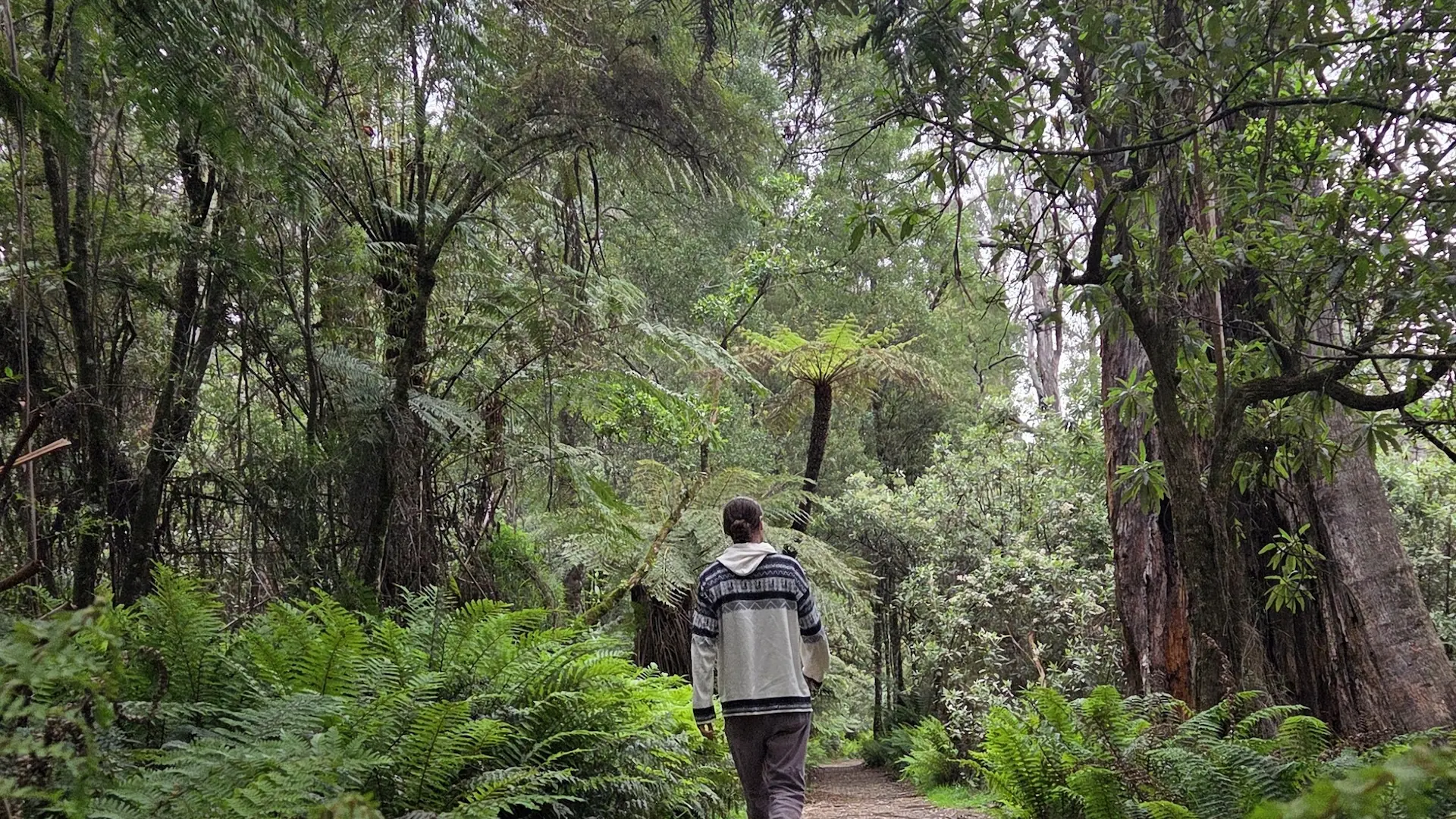
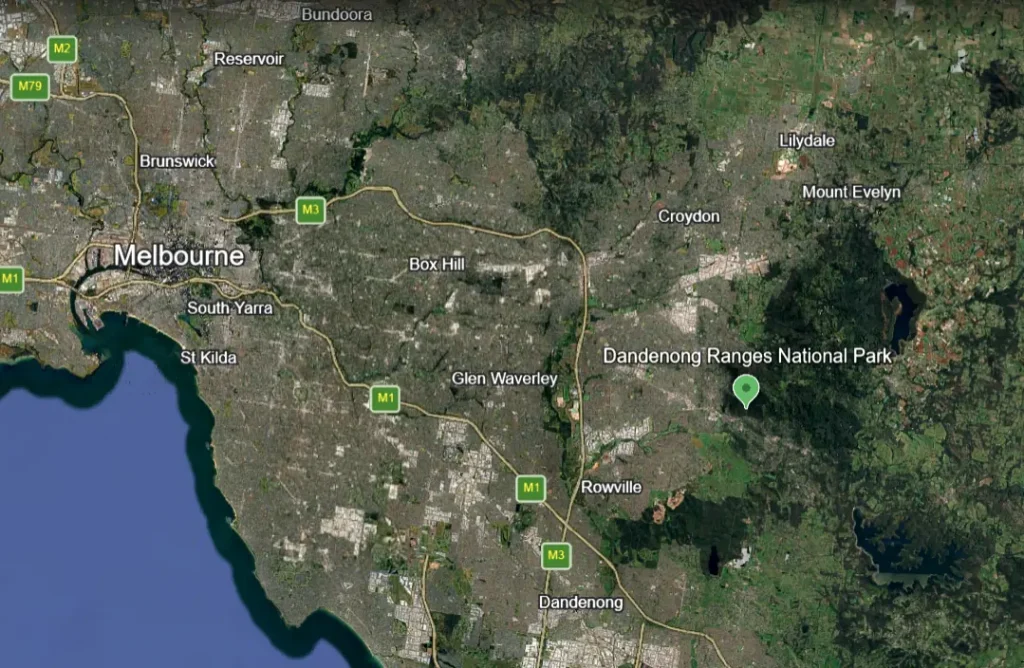
The Dandenong Ranges (or Dandenongs) are a low mountain range covered in temperate rainforest that sits East of Melbourne, giving the whole area a lush, almost prehistoric feel. The area is quite expansive, with many hiking trails, lakes, and a string of quaint small towns running through the hills.
It takes about an hour to get there from the CBD, and it’s also accessible by the Belgrave trainline. This essentially makes it Melbourne’s backyard wilderness, and a fairly easy nature escape from the city.
Being from the Morning Peninsula myself (about an hour South), the Dandenong Ranges have always been a popular family hiking spot, and a place I regularly go back to when I’m in Australia. While I wouldn’t say it’s under the radar, it’s often missed by people visiting Melbourne.
So, I’m going to run through everything you need to know about this unique biom, and blast you so hard with photos that it’ll make your head spin.
What to Actually Expect
The Dandenongs aren’t dramatic mountain scenery. They’re not the Himalayas or the Andes, but there’s something very cool about this place.
Let me try to describe it to you…
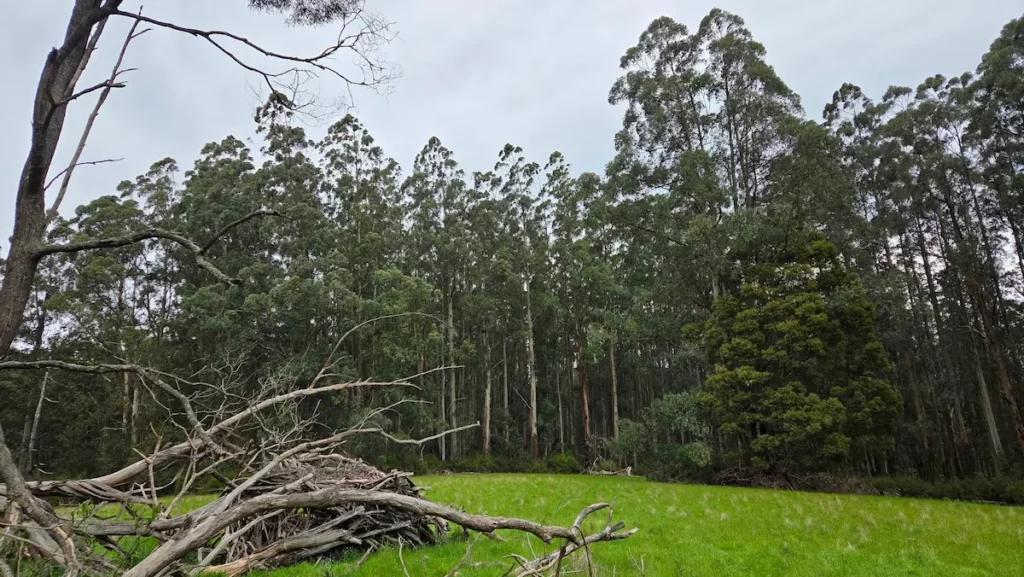
First off, once you enter the Dandenongs, the ecoregion changes dramatically from leafy suburbs, farmland, and bush into stunning temperate rainforest filled with Mountain Ash trees (some of the tallest trees on Earth).
The area is beautiful, feels remote, and like you’re actually in the wilderness. The combination of the impressive bird life, the massive trees towering over you, the silence, and the damp, fresh air makes it feel a little otherworldly.
But it’s not just remote wilderness.
There are little charming towns plotted throughout the ranges, each with its own personality, connected by winding roads and hiking trails. So, you can do some hiking, explore a bit, and grab some food and a coffee in one of the towns, making it a full day-trip.
Most of the appeal is in slow wandering, the birdlife, the scale of the trees, and the towns. It’s also fairly busy on weekends, especially in good weather. If you want quiet, weekdays or early starts are the way to go.
A Bit of History
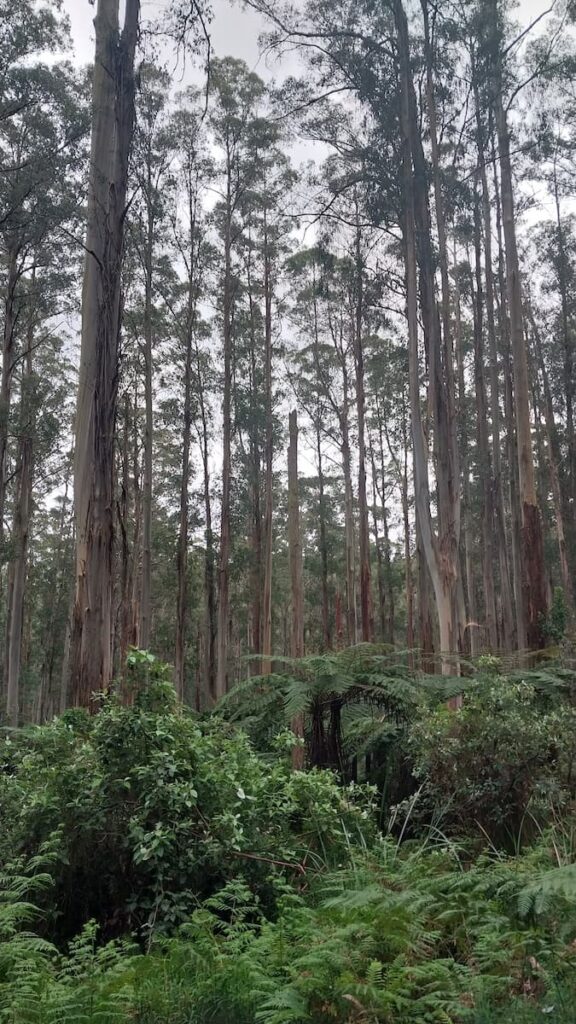
The Dandenongs were part of the Country of the Wurundjeri people long before European settlement. The forest provided food, shelter, and a deep cultural and spiritual connection. Many of the walking routes through the ranges trace older paths that have been used for thousands of years.
European settlers logged much of the forest through the 19th century, and development spread through the lower slopes. But significant areas were protected over time, and the forest has been slowly regenerating ever since.
Parks Victoria manages the national park today. Their site at parks.vic.gov.au is the most reliable source for current track conditions and closures.
Why Visit the Dandenong Ranges?
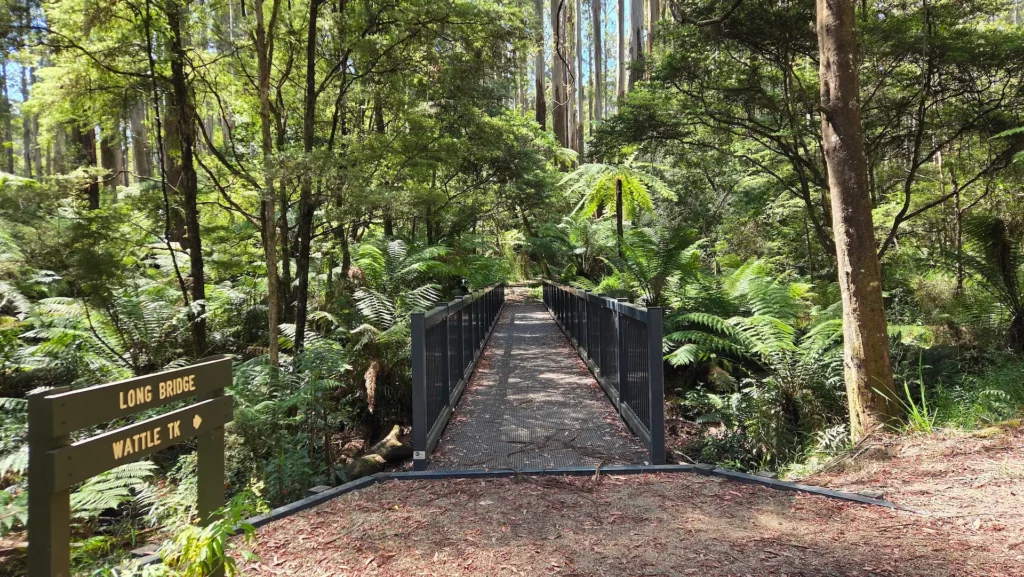
People visit because it offers a genuine escape from the city without much effort.
The Dandenong Ranges offer great hiking, bird watching, lakes, and botanic gardens, and small country towns that are beautiful and relaxing. It’s a deeply immersive experience where you feel far away from Melbourne, almost like you’ve entered another world.
It suits solo travellers, couples, and families equally well. The pace is slow, the scenery is genuinely beautiful, and on a misty morning in the ferns, it feels nothing like the suburban sprawl you just drove through to get there.
What the Dandenongs offer:
- Great hiking trails and camping
- Unique flora and fauna that you might not see anywhere else in the world
- Charming local towns filled with trees, colors, cafes, and antique stores
- A cool and damp environment, making it a great summer escape
- Some of the best hiking within access of Melbourne
Who are the Dandenongs Good For?
- Travelers in Melbourne who want a full day in nature without renting a car
- Slow travellers who enjoy forests and wandering without an agenda
- Families looking for manageable hikes and accessible wildlife encounters
- Solo travellers who want a grounded, peaceful day out of the city
- Anyone interested in cool temperate forests. The mountain ash here is genuinely impressive at scale
Who might not love it:
If you’re chasing dramatic alpine scenery, the Great Ocean Road, or the Grampians will serve you better. The Dandenongs are subtle. If you need adrenaline or big views, this isn’t your first stop.
On a warm weekend, the most popular spots can feel more like a suburban park than a wilderness retreat. Manage expectations accordingly and adjust your timing.
Getting There: Train, Bus, or Car
While mostly I’ve driven to the Dandenong Ranges, and ultimately that’s what I suggest because it’s quite spread out and gives you the flexibility to explore different areas, you don’t need a car to get there.
From Flinders Street Station in Melbourne’s CBD, take the Belgrave Line train, and get off at Belgrave Station. The journey takes roughly an hour and costs around AU$7-8. The ride itself is pleasant, and the train climbs gradually through increasingly green suburbs before reaching the forest edge.
Practical tip: Top up your Myki card before you leave the city. Machines at outer suburban stations can be unreliable. You can also top up using your phone. PTV’s journey planner is accurate for planning connections.
From Belgrave Station, you can walk directly into nearby forest tracks, catch local buses toward Sassafras and Olinda, or connect with the Puffing Billy Railway.
Belgrave offers a good starting point, but to get to the good hiking trails, you may need to jump on a tourist bus, which you can find in the area.
If you’re planning to cover multiple towns or reach more remote trailheads, a car is more convenient. But for a solid day out, the train works well.
By Car
Driving from Melbourne CBD takes roughly 40–60 minutes, depending on traffic and which part of the Ranges you’re heading to. If you’re coming from interstate or want the flexibility to explore at your own pace, renting a car is a solid move.
You can pick one up at Melbourne Airport on arrival, or there are plenty of rental options scattered around the CBD if you’re already in the city. Discover Cars is a good place to compare prices across providers before you book.
Parking at most trailheads and picnic areas is free. On busy weekends, popular spots fill up fast. Aim to arrive before 9 am if you want a straightforward start to the day.
The Towns Worth Knowing
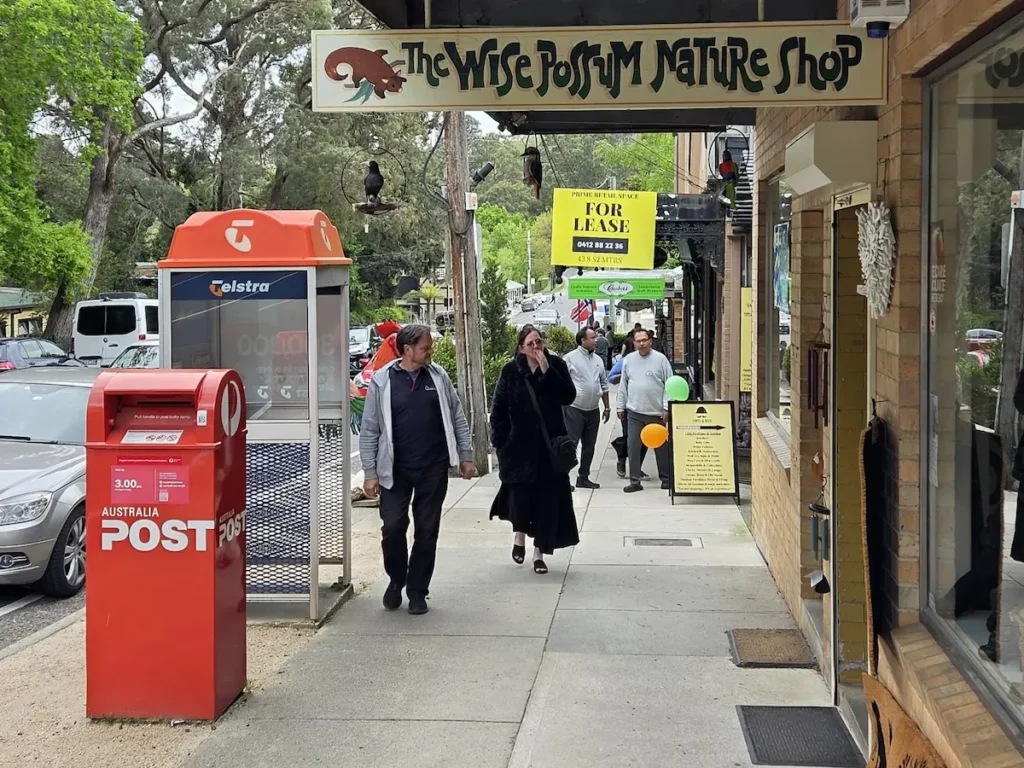
There are several small towns plotted throughout the Dandenongs, each connected by winding roads and trails. You can definitely make a day exploring these towns, drinking some delicious coffee, and checking out the craft stores on offer.
Here’s a brief description of the main towns in the area.
Belgrave
Belgrave feels like a working-class forest town rather than a tourist destination, which is actually refreshing. It’s a bit more functional than the other towns, with plenty of shops, food, and a more residential feel.
It’s the transport hub in the Dandenong Ranges, and the place you’ll arrive if you’re catching the train from Melbourne. There are also plenty of buses passing through this town, so if you’re moving on, you should be covered.
The cafes are straightforward, the energy is local rather than tourist-focused, and you can walk straight from the station into the trees. It’s not the prettiest town in the Dandenongs, but it’s well-connected and underrated.
Sassafras
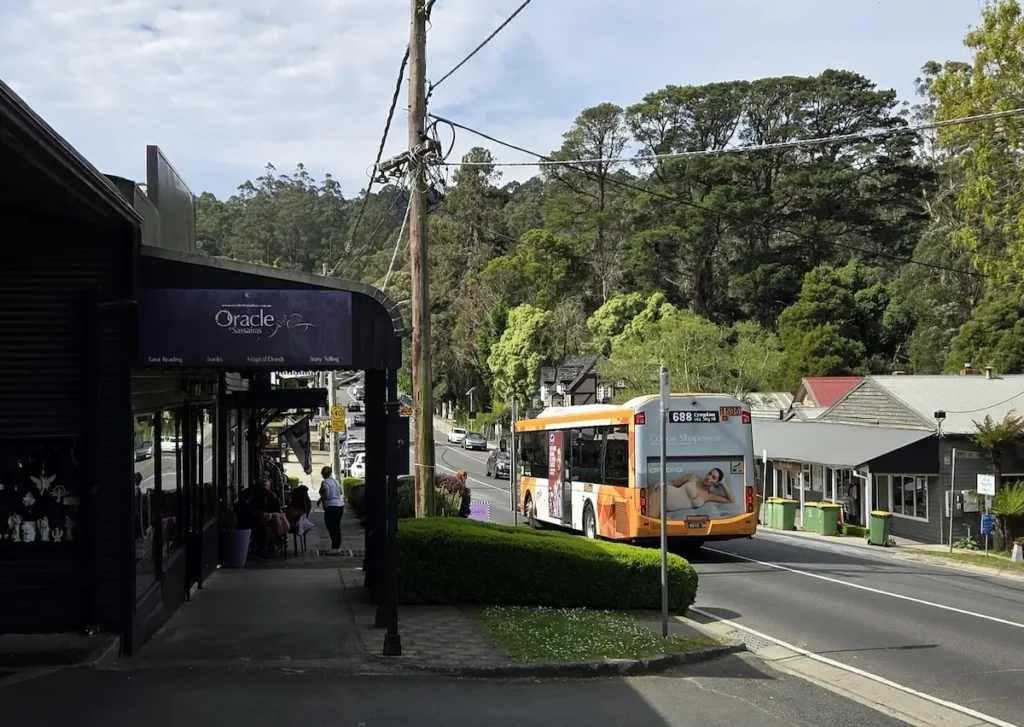
Sassafras is a small, old-fashioned town lining a single street, with short walking tracks accessible directly from town.
When I was a kid, I used to hate coming here because I thought it was “an old people’s town”. Like a child being bamboozled by being brought to the dentist instead of the adventure park, my parents would swing around here after a hike.
But over the years, it began to grow on me. Being older, I now enjoy unwinding in Sassafras by sitting in one of the vintage-style cafes and soaking up the energy of the Dandenong Ranges.
The main street has tea rooms, antique shops, and a few cafes leaning into a cosy woodland aesthetic. It gets crowded on sunny weekends, so if you visit midweek or arrive early, it’s much easier to enjoy.
Olinda
Olinda sits higher in the ranges and has a more open, slightly creative feel compared to Sassafras. There are galleries, good cafes, and access to some of the best gardens and walking areas in the region. On clear days, lookouts near Olinda offer views across Melbourne and out toward Port Phillip Bay.
The Dandenong Ranges Botanic Garden is close by, too, which is worth exploring if you have time. It’s free to enter and genuinely worth an hour or two, especially in spring or autumn.
Best Walks in the Dandenong Ranges
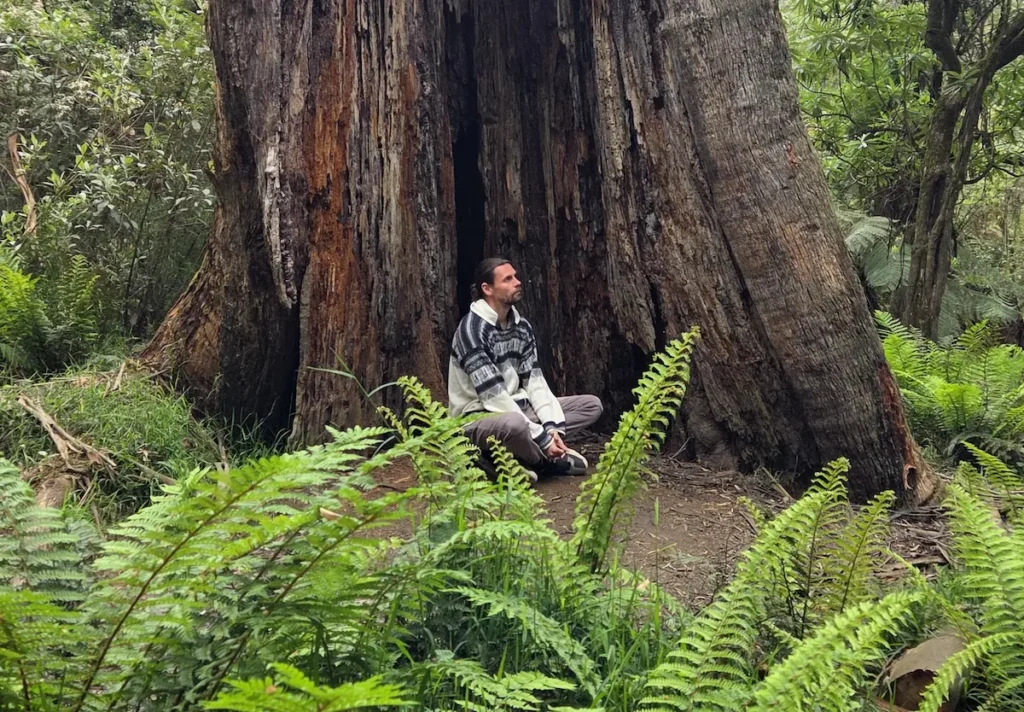
The Dandenongs have some of the best hiking in the Melbourne area, and this is one of the main draws. There are trails everywhere, ranging from short casual strolls through the forest to extensive, multi-day hikes, depending on what you’re looking for.
If you don’t have a car, this Puffing Billy steam train experience sorts out hotel pickup and the train in one go, which saves the faff of trains and connecting buses from the city.
It wraps up with lunch and a couple of winery and distillery stops, so it leans more ‘full day out’ than pure hike. Worth it if you’d rather not deal with the bus logistics.
Otherwise, here are some of my favorite hiking spots in the Dandenongs.
Sherbrooke Forest
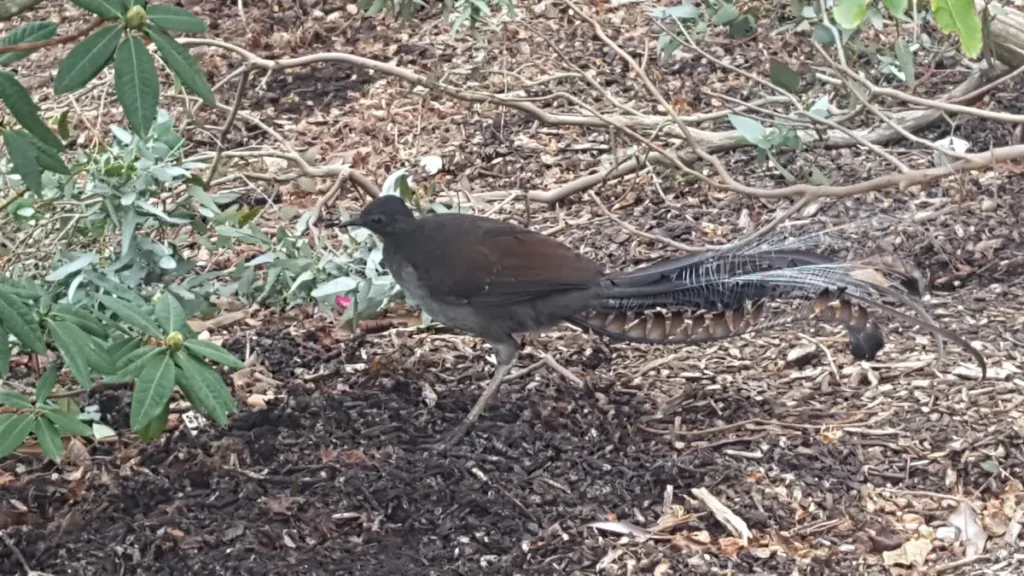
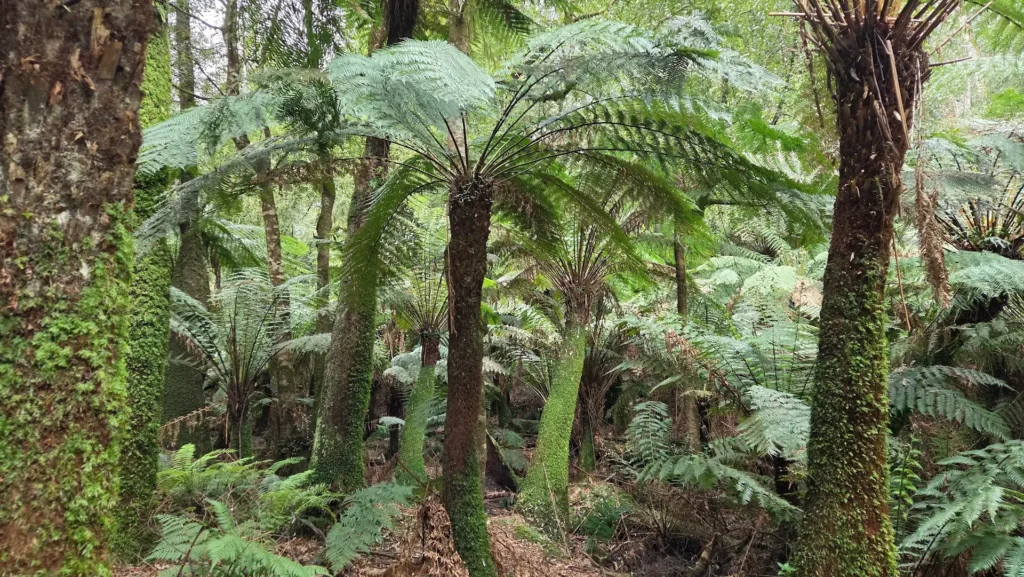
This is the best walking area in the Dandenongs. The forest is dense with mountain ash and soft tree ferns. Tracks are well-maintained, mostly quiet even when the area is busy, and several loop options mean you can spend anywhere from 30 minutes to a few hours in here.
The lyrebird is native to Sherbrooke Forest. You’re likely to hear one before you see one. Their calls are remarkable as they imitate the sounds of nature. So, maybe you’ll hear a cockatoo, a person talking, a dog barking, then a chainsaw in sequence… probably a lyrebird.
Early morning gives you the best chance. There’s a small car park at the trailhead, and the forest is accessible by bus from Belgrave.
Grants Picnic Ground
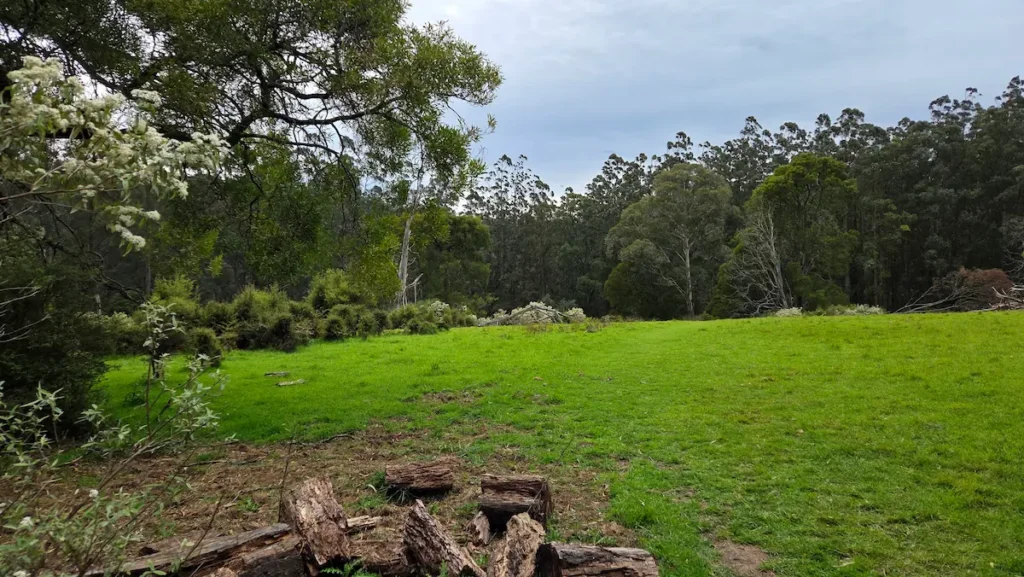
This is my go-to hiking trail, and it’s a great spot for a good hike that’s quite extensive and branches into multiple trails. Here, you walk through prime rainforest, full of towering Mountain Ash trees, through many gullies, over many streams, and you can return in a loop.
This area is particularly known for its bird life, with crimson rosellas and sulphur-crested cockatoos moving through the trees here regularly.
Due to the tourists feeding them, they aren’t afraid to get up close and personal. This place can get super busy, especially on weekends and public holidays, as it’s a tourist hotspot, so it’s best to go during the week.
Short walks lead off into the surrounding forest from both sides of the road, and there are picnic facilities if you want to make an afternoon of it.
1000 Steps (Kokoda Memorial Walk)
The 1000 Steps (which is actually around 400 steps) is a steep staircase climb through mountain ash forest that doubles as a WWII memorial track. It’s a beautiful, but challenging hike that opens up to other, more extensive tracks at the top of the mountain.
It’s popular with Melbourne fitness enthusiasts, which means it can feel more like an outdoor gym than a nature walk on busy mornings. The physical experience is genuine, though, and the historical meaning adds depth.
If solitude is what you’re after, this isn’t your spot… It gets busy, but most people just do the staircase. The other connected tracks see much less foot traffic, and they’re definitely worth exploring.
The Kokoda Memorial Walk is located at Upper Ferntree Gully, easily accessible by train to Upper Ferntree Gully Station and a short walk.
Silvan Reservoir Park
Silvan Reservoir Park is one of the quieter, less-visited corners of the Dandenong Ranges, and that’s exactly what makes it worth including.
Built around the Silvan Reservoir, one of Melbourne’s key water storage catchments, the park offers a peaceful mix of open water views, tall eucalyptus forest, and well-maintained walking trails that don’t attract the same weekend crowds as spots like Sherbrooke or Ferntree Gully.
The walking tracks vary in length and are generally easy to moderate, making it a good option for a relaxed half-day out.
It’s not the most dramatic spot in the Ranges, but it’s a solid choice if you want something low-key and scenic without competing for parking or trail space. Worth pairing with a visit to the nearby gardens or a drive through the Silvan area more broadly.
Alfred Nicholas Memorial Garden
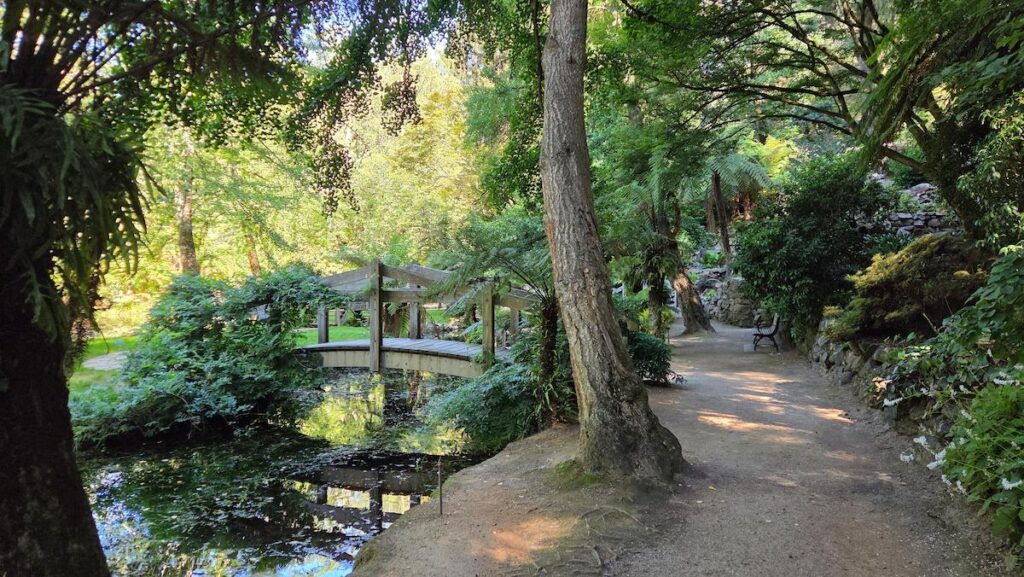
Alfred Nicholas Memorial Garden is one of the most beautiful spots in the Dandenong Ranges, and honestly, one of the most underrated gardens in Victoria.
Set across a steep gully in Sherbrooke, it’s built around a central lake with a classic wooden footbridge, surrounded by towering tree ferns, rhododendrons, and cool-climate trees that create a canopy so thick it feels like a different world.
It was originally developed in the 1930s by Alfred Nicholas, one of the founders of Aspro, who turned the property into a private estate garden before it was eventually handed over to Parks Victoria.
The garden is free to enter and easy to walk around in about an hour, though it’s the kind of place you slow down in without meaning to.
Spring is peak season when the rhododendrons and azaleas are in full bloom, but it holds its own year-round. On a quiet weekday morning, with light filtering through the ferns and the lake perfectly still, it’s genuinely one of those places that stops you mid-step. Worth building your day around it.
If you’d rather have someone guide you through the forest and gardens, this private Dandenong Ranges day tour covers Alfred Nicholas, the Botanic Garden, and a guided forest walk, with pickup from the city.
Olinda Falls
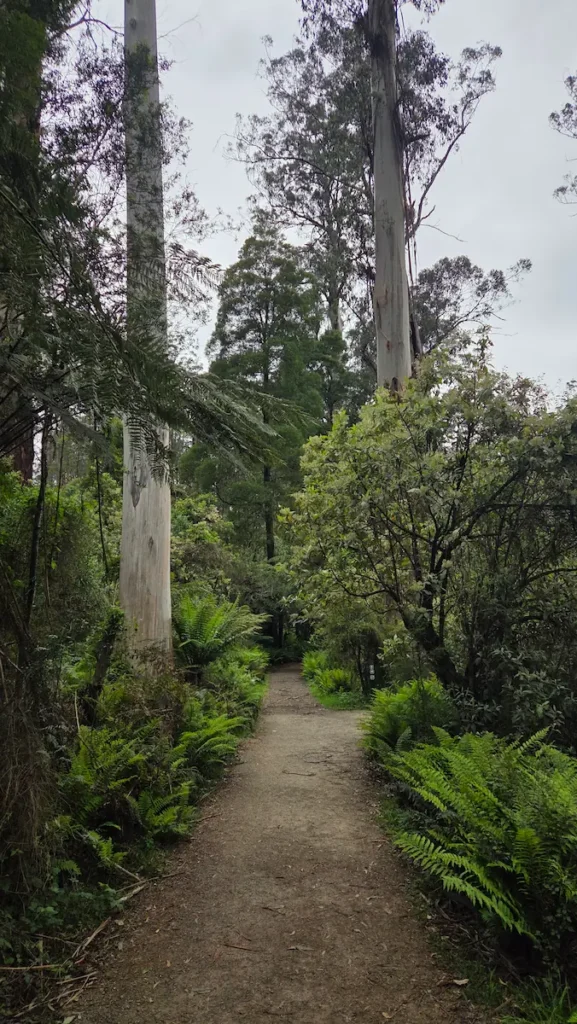
An easy walk through tall forest to a small waterfall. The track is relaxed and peaceful, and after decent rainfall, the falls are genuinely impressive.
During dry spells, the flow reduces significantly, so it’s worth checking conditions before you go.
The walk from the car park takes about 20–30 minutes return.
SkyHigh Mount Dandenong
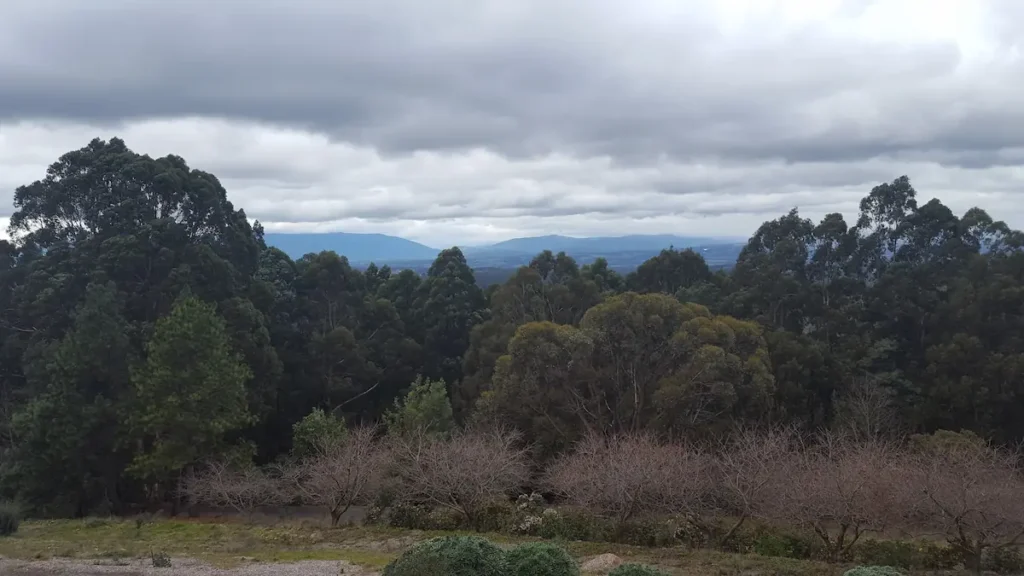
SkyHigh offers one of the best lookout points in the area. The views stretch across Melbourne, and on clear days, you can see all the way to the bay. The gardens here are well-maintained, and short walks loop around the grounds.
SkyHigh is more developed than other spots, at the top of the mountain range, with some fancy restaurants, walking trails, and gardens. Keep in mind, parking isn’t free, so there is a small cost to get into this area, but the view alone makes it worth a stop.
Puffing Billy Railway
The Puffing Billy is a historic narrow-gauge steam train that has been running through the Dandenongs since 1900. It’s popular for good reason, as it definitely has some heritage and charm.
I remember riding on this now and then when I was a kid, and it was nice! Definitely a great family-oriented experience. The open-sided carriages, the forest views, and the slow pace make it a pleasant few hours.
Tickets need to be pre-booked online. No walk-up tickets are available. Current prices (2025):
- Belgrave to Menzies Creek: around AU$42 per adult
- Belgrave to Lakeside (return): around AU$64 per adult
- Belgrave to Gembrook (return): around AU$82 per adult
It’s not cheap for what it is, but if you’re travelling with kids or want a relaxed way to see the ranges without walking, it’s worth it for the experience. Sitting on the right side of the train when facing forward gives the best views.
Book directly at puffingbilly.com.au. Third-party booking platforms charge extra fees.
Where to Stay in the Dandenong Ranges
The Ranges isn’t really a hotel destination. Most people stay in self-contained cottages or retreats tucked into the forest, which suits the area perfectly.
Most of the accommodation in the Dandenongs is luxury-style cabins, meaning they’re not cheap, but they’re beautiful, modern, and tucked away in nature, often with jacuzzis and other amenities to make your stay as comfortable as possible. Most accommodations you can get a night for AUD $150 – $200.
A quick note on hostels: There are no hostels in the Dandenong Ranges. If you’re travelling on a tight budget, your best bet is to base yourself in Melbourne and do a day trip out.
Here are a few well-rated accommodation options in the Dandenong Ranges worth considering:
- Arcadia Cottages: Self-contained forest cottages set amongst the trees. A solid choice for couples or solo travellers who want privacy and a proper retreat feel.
- Merrow Cottages Gatehouse: A charming, character-filled option with a classic Dandenong Ranges feel. Good for a weekend away with someone.
- A Loft in the Mill: Unique bluestone mill accommodation in Olinda, right in the heart of the Ranges. One of the more distinctive places to stay in the area.
- Little Violet: A highly rated, cosy option that consistently gets strong reviews. Great if you want something intimate and well-looked-after.
Weekends book out fast, especially in spring and autumn. If you’re planning around a specific weekend, it’s worth reserving a few weeks in advance.
Practical Tips Before You Go
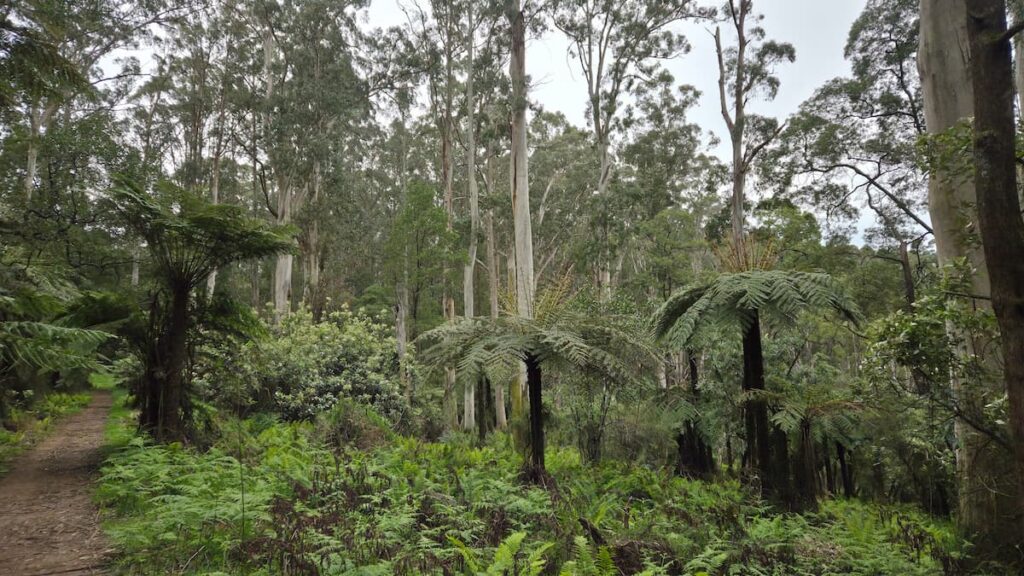
Some things to keep in mind before you book your stay!
- Weather: The Dandenongs are noticeably cooler than Melbourne year-round, especially in winter. Bring a layer even in summer. Rain happens with little warning, so a light jacket is worth carrying.
- Footwear: Trails can get very muddy after rain. Trail shoes or light hiking shoes are recommended over sneakers. Flip-flops and open footwear are not suitable for most walks.
- Mobile coverage: Coverage is generally good in the main towns, but can drop in forest areas. Download offline maps before you go. Maps.me works well offline.
- Connectivity while travelling: If you’re visiting as part of a longer Australian trip or are on an international SIM, a local eSIM saves the hassle of a physical SIM. Airalo offers affordable Australian data plans.
- Travel insurance: If you’re in Australia on a tourist visa, Medicare doesn’t cover you. Even a minor injury on a trail can result in a significant medical bill without coverage. SafetyWing is a reliable option for short-term visitors.
- Bushfire risk: During summer (December to March), check the VicEmergency app before heading out. Some trails and areas close on high fire-risk days.
FAQs
Is it free to visit the Dandenong Ranges?
Yes. Entry to the national park is free. Specific attractions like Puffing Billy Railway and some gardens have their own fees. Parking at SkyHigh costs AU$5–$10.
Can you do the Dandenongs without a car?
Yes. The Belgrave Line train from Melbourne takes about an hour and connects you to walking tracks, buses to the main towns, and the Puffing Billy Railway. A car gives you more flexibility, but it’s not essential for a good day out.
How long do you need?
A full day is comfortable for a mix of walking, a town or two, and a meal. Two days lets you slow down properly and see more of the range. But you could also spend weeks if you want to get a much more immersive picture of the region
When is the best time to visit?
Autumn (March to May) and winter (June to August) are when the forest is at its most atmospheric, meaning it’s cooler, often misty, and quieter than the summer rush. Spring wildflowers and garden seasons (September to November) are also excellent. Summer is pleasant but busy on weekends.
Is it safe for solo travellers?
Yes. The Dandenongs are well within the Melbourne commuter belt, the main tracks are well-marked and well-maintained, and the towns are safe and walkable. The usual common-sense trail precautions apply.
Are dogs allowed?
Yes, dogs on a leash are welcome on many trails and in some garden areas. Check Parks Victoria’s site for current dog-friendly areas before you go.