If you’re traveling north through South America, chances are you’ll be crossing from Ecuador into Colombia by land. In this case, most people start this journey from Quito in Ecuador to Pasto in Colombia.
When you’re making this journey, you’ll probably pass through the Tulcán-Ipiales border, which is the most popular border crossing between Ecuador and Colombia. While there are other routes, such as along the coast, I suggest that you don’t use these crossings as they are known to be quite dangerous and much trickier to navigate.
The most reliable crossing between the two countries is through Tulcán (Ecuador) and Ipiales (Colombia), which is where most travelers pass through. It’s cheap, safe (if done right), and full of beautiful views.
In total, it took me about 12 hours to get from Quito to Pasto, where my Colombian leg of the journey officially began. I suggest leaving relatively early in the morning and starting the journey from Ecuador to Colombia around 8 am. My journey was smooth, and I arrived in Pasto just as the sun was setting.
Quick Travel Summary
| Segment | Duration | Cost |
|---|---|---|
| Quito to Tulcán | 5–6 hrs | $8 |
| Tulcán to Rumichaca (border) | 20 min | $4–$5 |
| Immigration | 1-hour | Free |
| Rumichaca to Ipiales | 10 min | $2–$3 |
| Ipiales to Pasto | 3 hrs | $8 |
Here’s how I did it, step by step.
From Quito to Tulcán
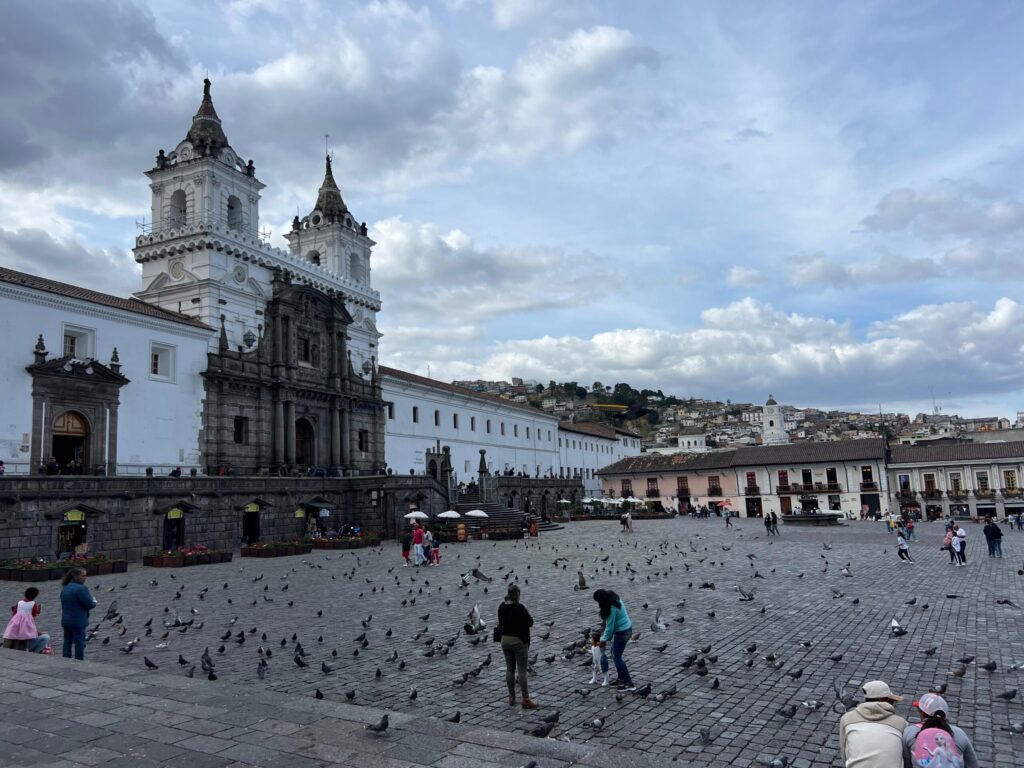
Your journey to Colombia by land from Ecuador starts in Quito.
You’ll need to head to Terminal Carcelén, Quito’s northern bus terminal. Quito has 2 main bus terminals, one in the North and one in the South. So make sure that you go to the northern one, which I’ll mark on a map here.
I took an Uber from Centro Histórico, which cost about $6 for a 30-minute ride through the city, which wasn’t a bad price.
If you don’t want to pay for an Uber or a Taxi, there is also an alternative, which is the Metro.
The Metro in Quito is new, clean, and surprisingly efficient (no offense, Ecuador). If you don’t mind walking a little bit with your bags, it’s quite straightforward to get to Terminal Carcelén.
Chances are you’re staying in La Mariscal or Centro Histórico, which are where most tourists stay. Depending on your location, the nearest metro access point will be either El Ejido (for Centro Histórico) or Universidad Central (for La Mariscal area).
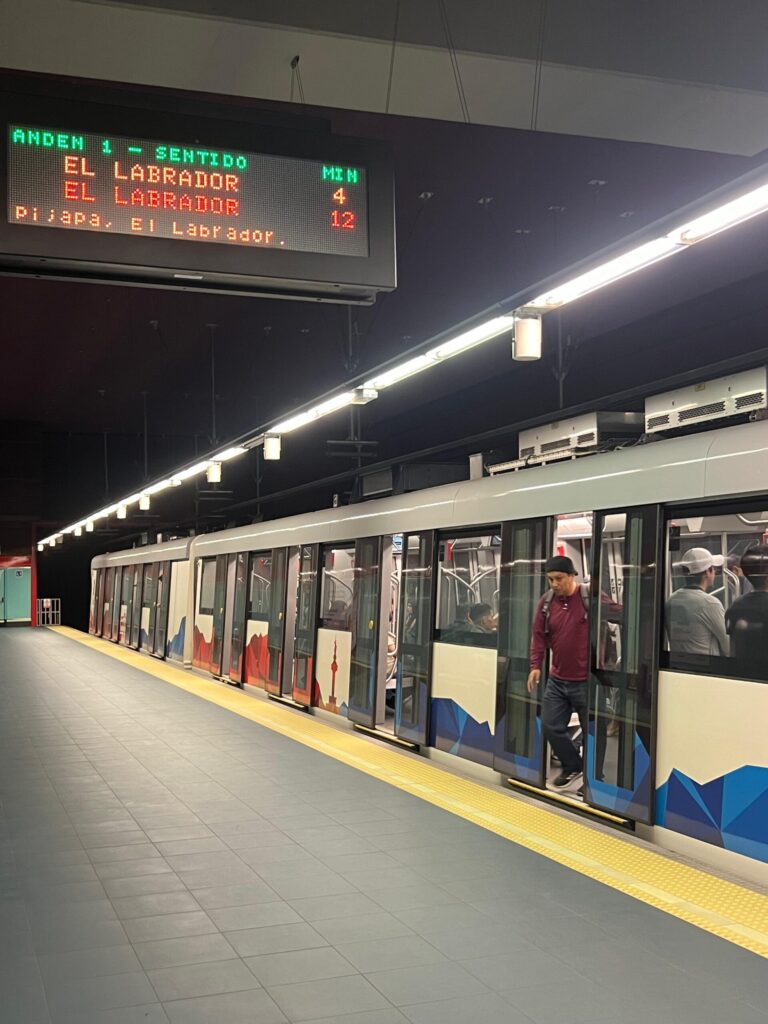
The metro is a simple system with just one line heading North and South. Take any train heading North and get off at the “El Labrador” station. This is a multimodal hub that connects both the Metro and the Terminal Carcelén, which makes life easy.
- Cost: About $.50 per ride.
- Duration: Roughly 20–25 minutes, depending on your starting station.
- Service hours: Around 5:30 AM to 11:00 PM. Trains run every 5 – 10 minutes.
Once you arrive at Terminal Carcelén, look for a bus to Tulcán.
The terminal is a little bit hectic and not the nicest place to hang around. I heard it can also be a bit dangerous at night, so that’s something you want to keep in mind.
Buses to Tulcán run regularly, basically every 30–60 minutes. The main companies that operate are Flota Imbabura, Transportes Occidentales, and Cita Express. A bus should cost you around $8, and take 5–6 hours.
You can just show up and easily get a ticket on the spot.
From Tulcán to Rumichaca (Colombian Border)
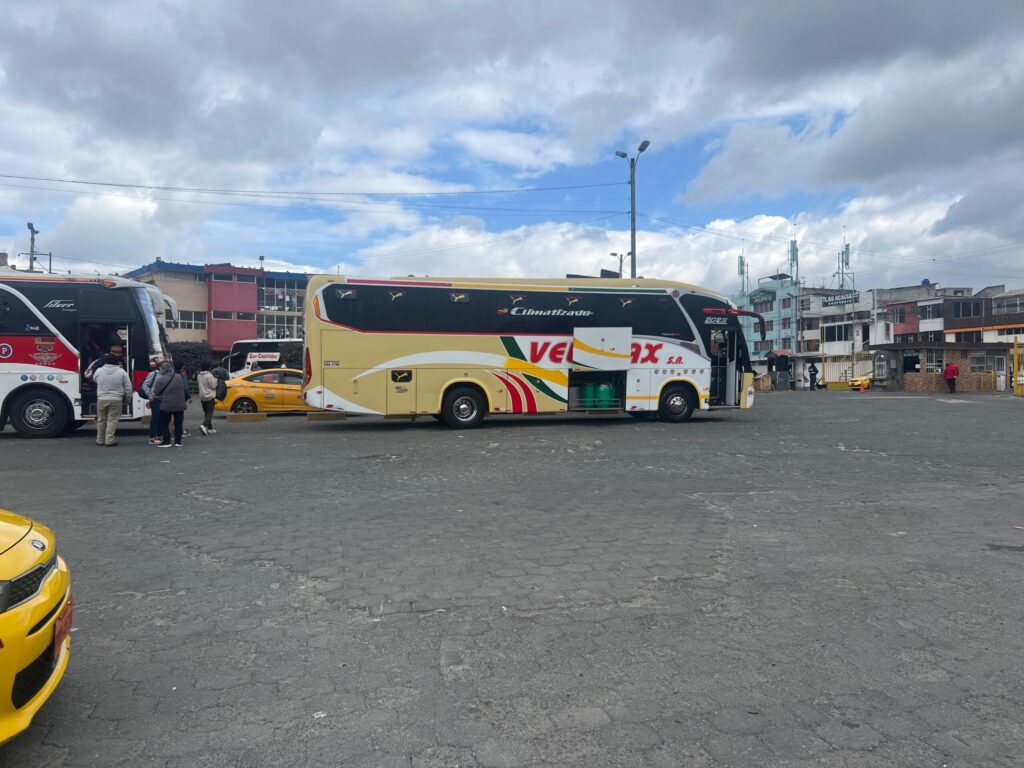
Once you arrive in Tulcán, you’re only about 20 minutes from the Ecuador and Colombia border at Rumichaca.
When you arrive in Tulcán, you’ll be dropped off at Terminal Terrestre Tulcán. There are some roadside tiendas. I used this as an opportunity to get some street food and a coffee, which was much needed.
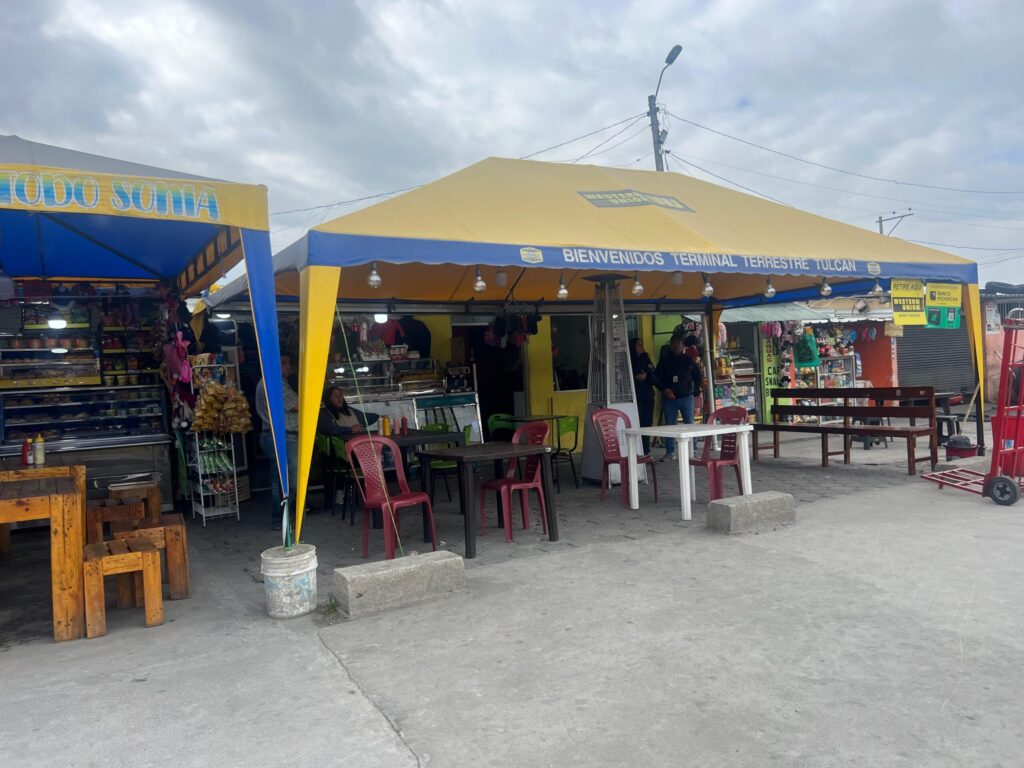
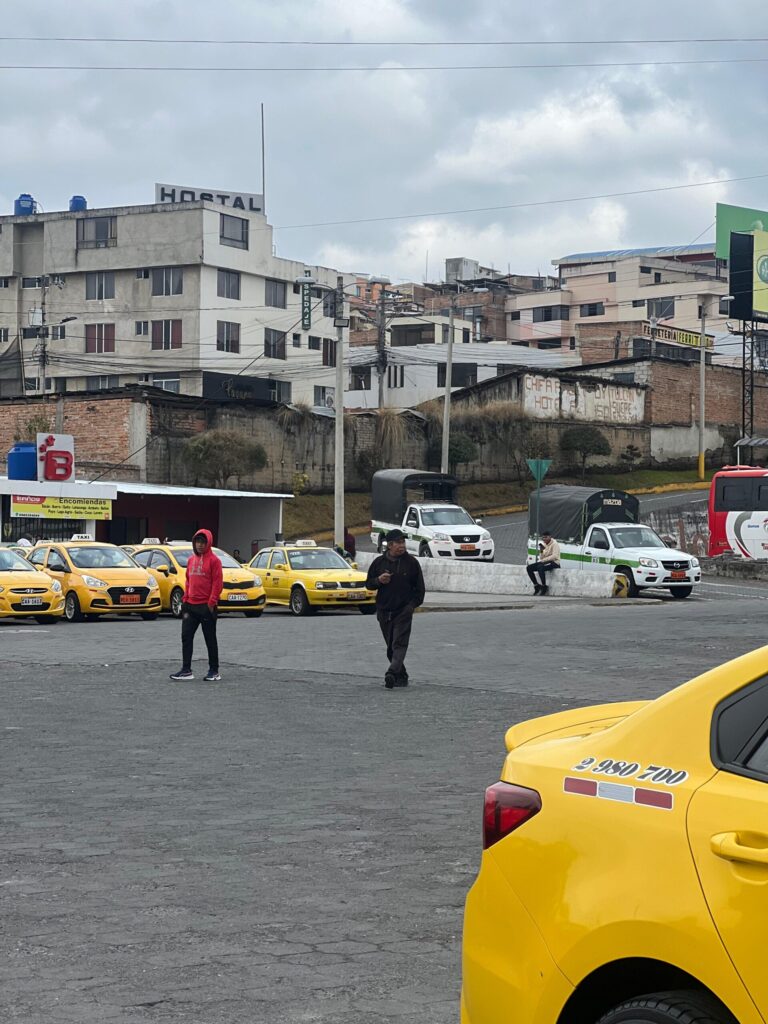
There will be a Taxi rank right there that you can’t miss. Just say “la frontera” and they’ll know exactly where to take you.
There are also local colectivos (shared taxis) that can take you for less, but they fill up slower and don’t always run regularly. They look like white Utes with a green stripe (you can see a couple in the picture I attached), and are usually parked on the far side of the road, opposite the tiendas.
I didn’t want to wait around for half an hour to save a couple of dollars, so I decided to take a Taxi, which cost me $4.
Generally, it’s better to arrive early in Tulcán and make the border hop mid-morning when things are calmer and immigration lines are shorter.
If you don’t want to do the entire trip in one day, you can spend the night in Tulcán.
I went straight to Colombia from Quito, but there are some decent accommodation options around if you want to check out Tulcán and cross the border in the morning.
I’ve added a good accommodation option in Tulcán below if you’re pressed for time and want to rest up.
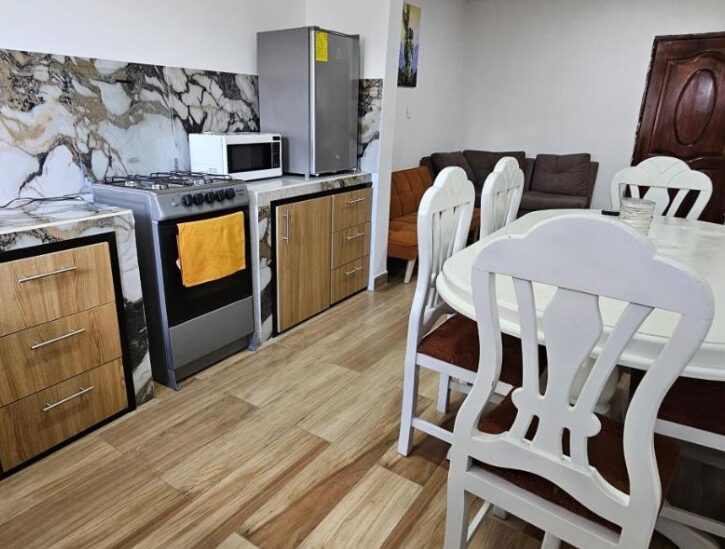
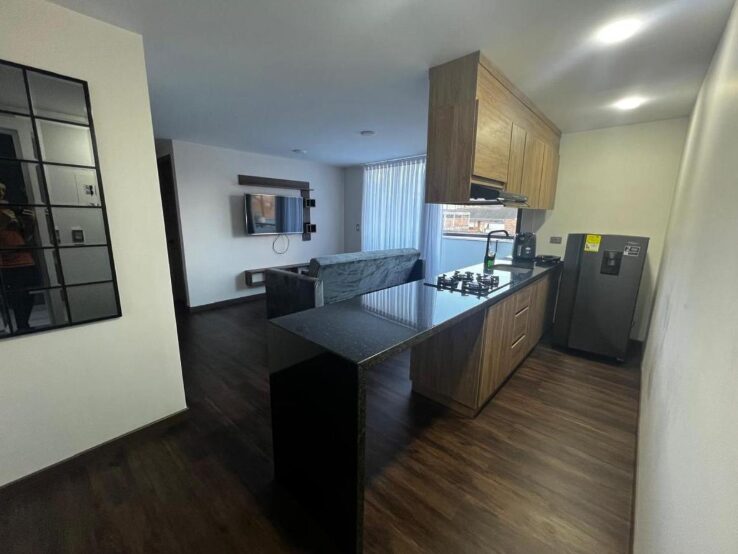
This apartment is the best accommodation option for Tulcán. It’s nice and spacious, has the highest ratings in Tulcán, with plenty of reviews, and is close to the main road where you can easily catch a bus when heading to the Colombia border.
Crossing the Ecuador, Colombia Border (Puente Internacional de Rumichaca)
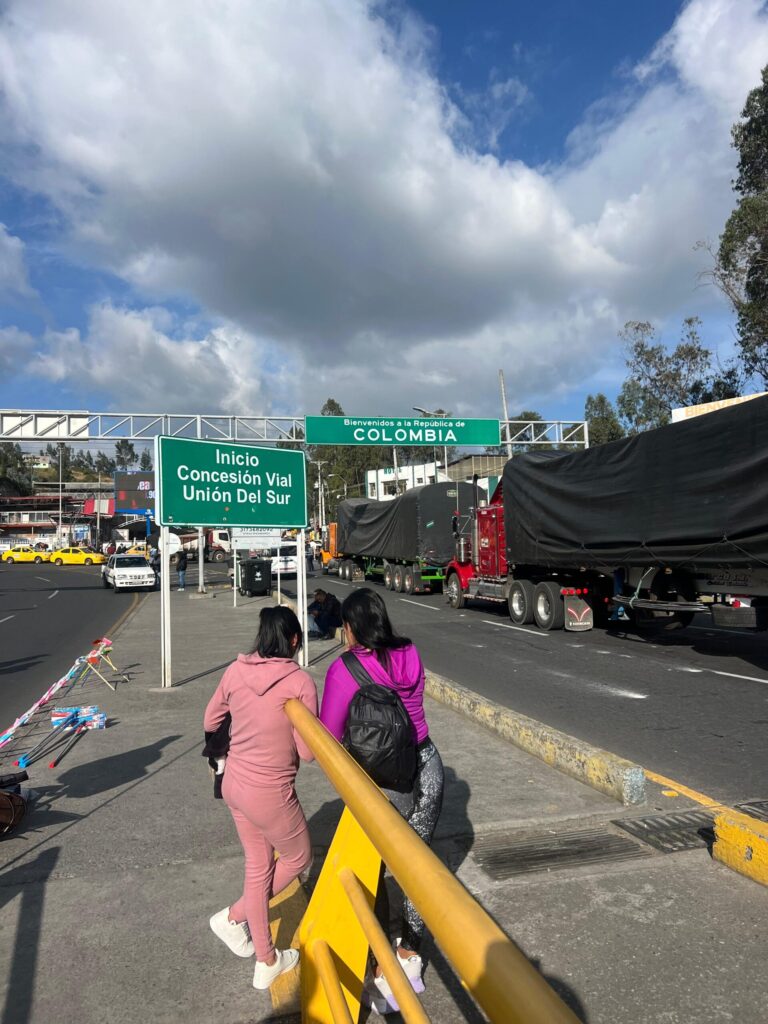
The actual border crossing at Rumichaca is pretty straightforward, especially compared to some other Latin American borders.
Before crossing the bridge, there will be an immigration office on the Ecuadorian side. When I went in, there were only a couple of people there, and a few windows, so getting my exit visa was quick and easy.
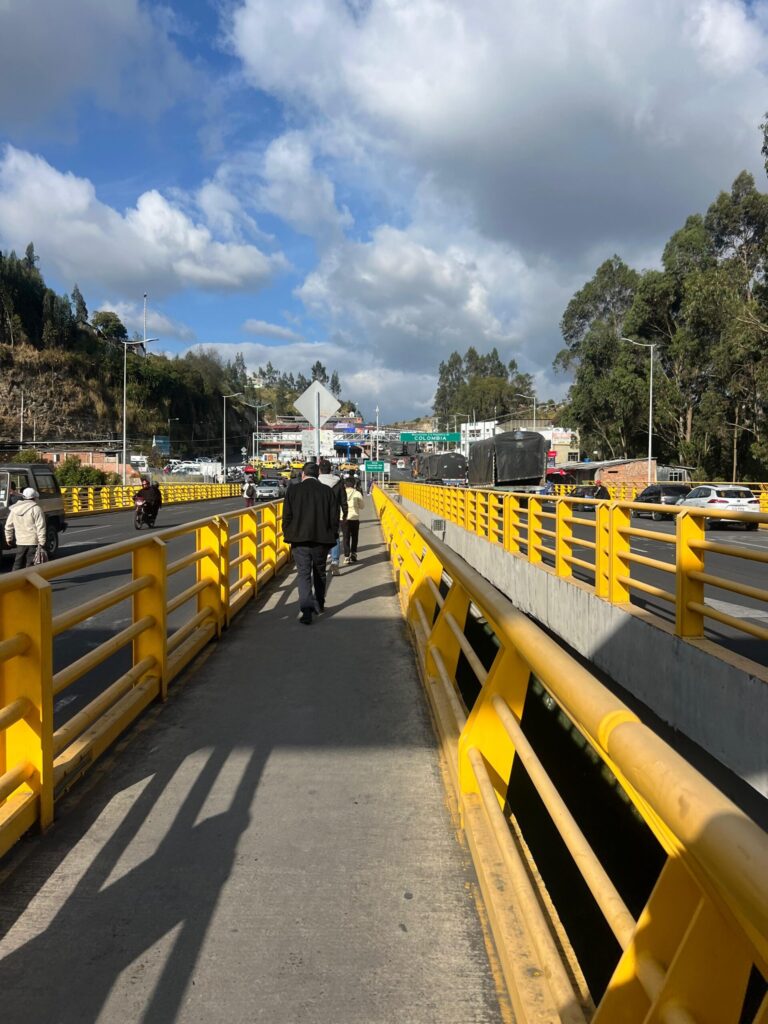
Outside the immigration office on the Ecuadorian side of the border, there was a vendor exchanging currency.
I swapped my remaining $20 over into Colombian Pesos and then headed to the bridge. The exchange rate seemed reasonable, and there were no ATMs in the area, so it was really my only option if I wanted to get some Colombian Pesos for the trip.
Walking into Colombia from Ecuador was easy. There were some traffic controllers, but nobody stopped me from walking right over.
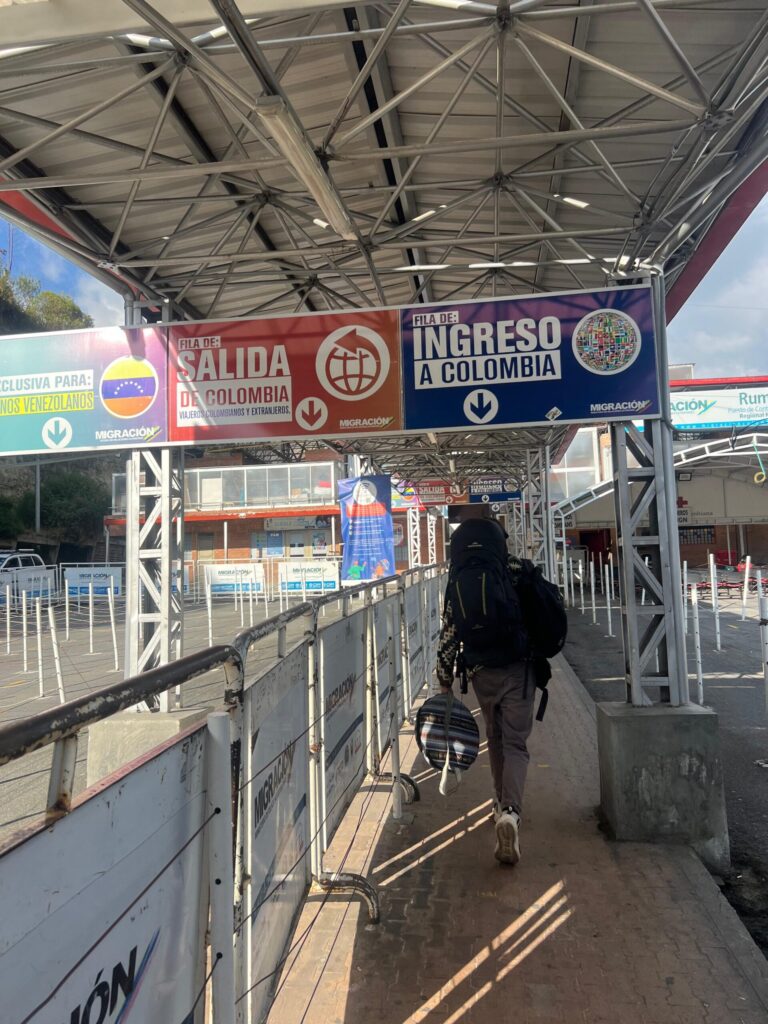
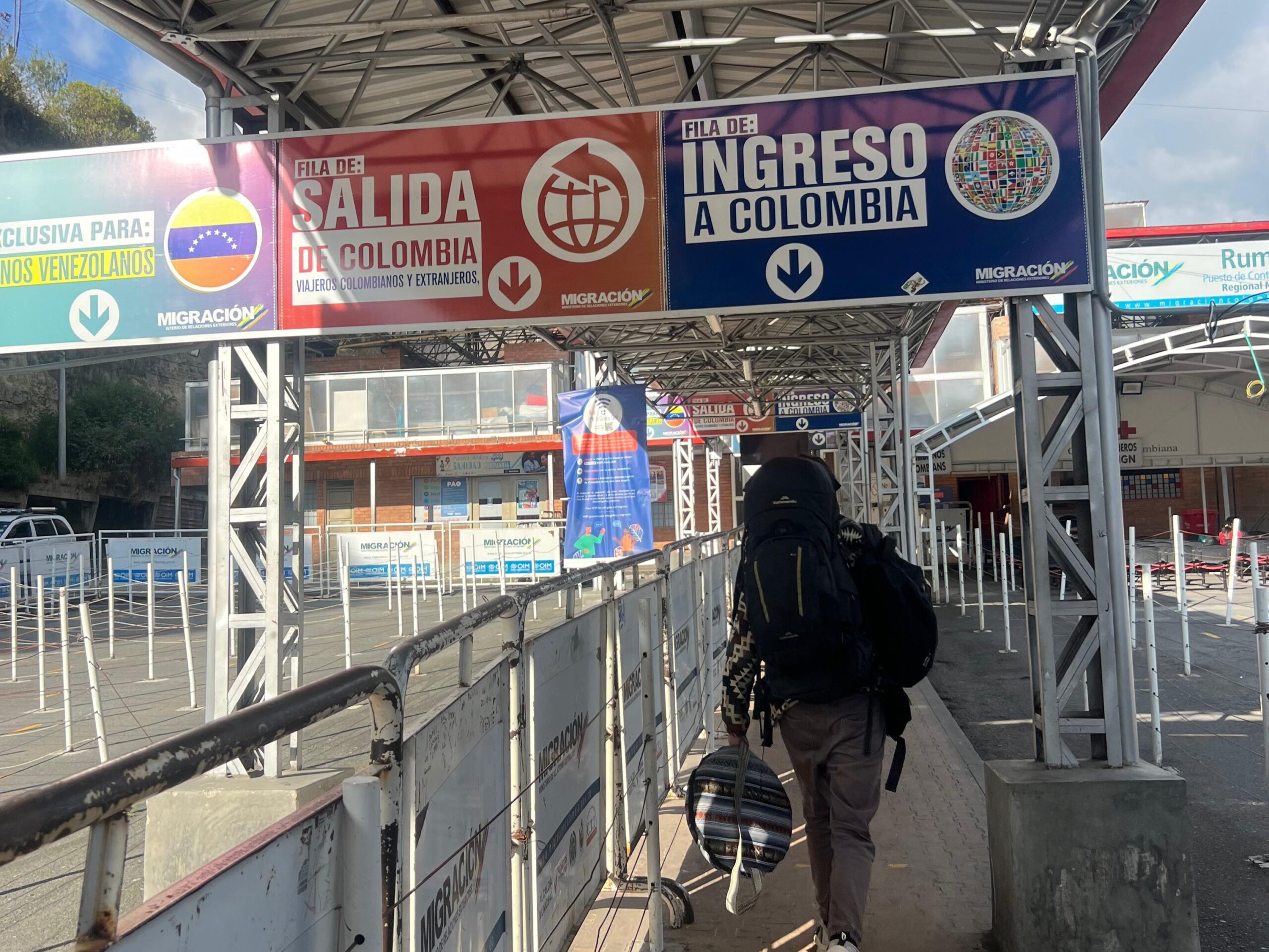
Once you cross the bridge and you’re on the other side, you’ll see a building with a blue sign saying “Ingreso a Colombia”.
When I went, nobody was waiting, so it was very quick. They asked my Argentinian girlfriend a few questions, such as what she does for work, how long she plans on staying, and such, but I think they gave up on me immediately when they heard me fumble over the words “¿Cómo estás?”
The immigration officer stamped my passport on the spot and sent me on my way.
From there, I jumped in one of the many Taxis parked outside the immigration office to head to Ipiales. The Taxi cost a couple of dollars. They accept Colombian Pesos and US dollars, so you shouldn’t have any issues with currency.
All up, it took less than an hour to cross the Ecuador-Colombia border.
It’s a quick ride into Ipiales, the first major Colombian town across the border, and takes about 10 minutes from Puente Internacional de Rumichaca.
From Ipiales to Pasto
Once you get to Ipiales, you can either keep moving toward Pasto or stop and check out Santuario de Las Lajas, a Gothic church built over a canyon, which is a famous local attraction.
Some local colectivos or tuk-tuks will take you to the sanctuary and back in an hour or two if you have time to spare. I was already pushing time as it was around 4 pm at this point, so I went straight to Terminal Terrestre de Pasajeros de Ipiales.
Our driver dropped us at the large roundabout outside of the terminal and told us that it’s cheaper if we catch a bus from there instead of going into the Terminal.
I waited for about 10 minutes and waved down the Green bus that was heading towards Pasto, however, they charged us the full amount, which I believe was about $8, although I can’t remember exactly.
Keep in mind that intercity buses in Colombia are significantly more expensive than in Ecuador.
A 12-hour bus trip in Ecuador will cost you around $10, but in Colombia, the same trip will cost at least $20.
The route is a bit winding through the Andean mountains, but it’s a scenic route where you get some beautiful views of the Sierra. I suggest sitting on the right-hand side of the bus to get the best views!
Where to Stay in Pasto, Colombia
Now that you’ve made it to Pasto, you probably need somewhere to stay. If you did a full-day trip from Quito to Pasto, then it’s probably getting late, and the last thing you want to do is figure out where to stay.
When I arrived in Pasto from Quito, I was tired and just booked one of the first accommodation options I saw.
Big mistake.
It was expensive for what it was, felt like I was in a jail cell, wedged between a stairwell and a big opening where people could see into my room.
So I’ve put together some suggestions for the best places to stay in Pasto here. I’ve vetted these 3 options to make sure they’re nice places to stay in Pasto, and at a good price.
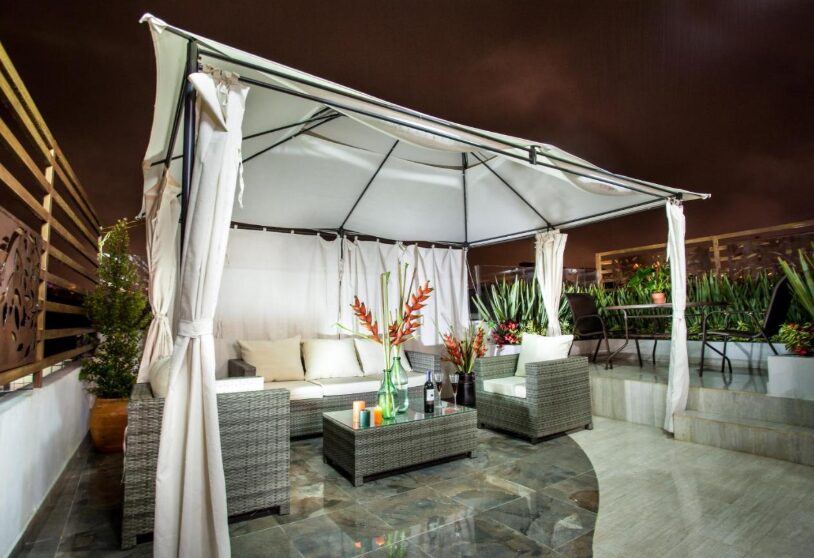
Lovely, central, and highly rated hotel that’s suitable for budget travelers. This is one of the best hotels in Pasto, Colombia. Rating of 9.4 with over 600 reviews.
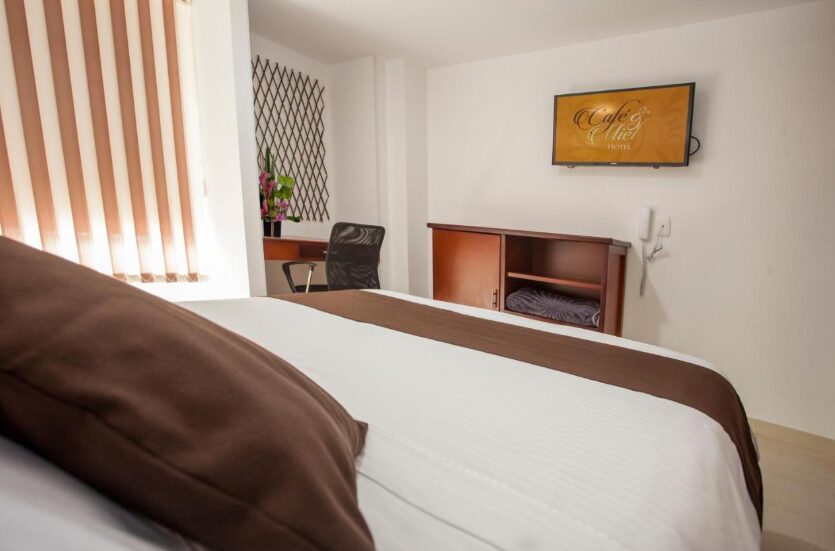
Also one of the highest rated hostels in Pasto, and at a very reasonable price too. Has over 1000 reviews, a rating of 9.4, nice and central. What more do you need?
This nameless wonder has a rating of 9.4 with 20 reviews. It’s a full apartment for the same price as the other hotels, so it’s a great option if you plan on staying around for a little while.