Table of Contents
As a backpacker, Ecuador is one of those countries that I keep coming back to. Not entirely sure what I was going for there, perhaps hoping to squeeze in an awkward pun and trying too hard in the process…
But to the point.
Ecuador was first a little blip on my radar when I was doing a year-long backpacking trip through South America in 2017. Not knowing much about this small, skippable country tucked in the bosom between Colombia and Peru, it turned out to be a highlight of my trip.
It was the first place I worked with ancestral medicines such as Ayahuasca and San Pedro. It was my first experience volunteering in a hostel and developing a close community. Needless to say, I remember my time there fondly…
Fondly enough to return to Ecuador in 2023 and live there for 6 months while working at a shamanic healing center. And then returning once more in 2024 to reconnect with some dear friends I have there to this day.
By this point, Ecuador is like a home away from home. Well, I don’t really have a home, but if I did, then it would be! Not just because I have community there, but because the country offers so much, especially for backpackers (and maybe the occasional retiree).
So, let’s start with some of the basic questions and work our way into the good stuff from there.
Is Ecuador Safe to Travel in 2025?
For the most part, Ecuador is safe, and you likely won’t have any issues. With that said, you do want to take some precautions when you’re backpacking through this stunning country.
Like many Latin American countries, Ecuador has its pockets of sketchiness, and there are areas you want to avoid. I have been robbed there once, leaving me stranded with no bank cards or access to cash. Bad things can happen, especially if you’re not travel savvy and make yourself vulnerable to theft, or worse.
For example, some parts of Guayaquil and Quito can be sketchy, as with any big Latin American city. When you’re in Guayaquil, avoid going out late or walking around by yourself in areas outside of the main tourist and commercial zone. A late-night taxi from the Airport to your hotel should illuminate just how shady some of the streets can get.
Even though there was a state of emergency in recent times to crack down on the cartel, prompting travel-advisor to give Ecuador a lovely ‘do not travel’ warning for Ecuador, tourism was virtually unaffected. I never noticed a difference from normal. So, perhaps take your government’s travel advisor with a grain of salt.
Ecuador has some popular party destinations, including Montañita on the coast, and Baños de Agua Santa is also building its reputation as a party-centric destination. Nothing exclusive to Ecuador, but party destinations can bring in tough crowds, and a lot of drugs, and there’s always a supplier behind those drugs.
When I was in Ecuador in 2023, a mayoral candidate for Puerto Lopez was assassinated hours before the local elections. Several months later, while I was working near Cuenca, there was a cartel shooting in Montañita, stifling tourism for a period.
Take some extra precautions with buses, too. I’ve taken dozens of buses all over Ecuador and never had any problems, but I have met people who had their bags stolen. So, just be mindful of your stuff and keep your main backpack with your valuables between your legs. If someone says you need to move it somewhere else, it may be a scam.
Now that we’ve got all the horror stories out of the way, mostly, Ecuador is safe. In all my time in this country, everything has seemed pretty normal, and there has been no cause for concern.
You just need to be aware that things do happen sometimes. The good news is that tourist zones are generally safe with a reasonable presence of police and security, and it’s unlikely you will encounter any issues while solo backpacking Ecuador.
If you’re a solo traveler or a woman traveling alone, Ecuador can still be a fantastic place. Just keep your wits about you like you would anywhere else.
Do I Need Travel Insurance?
You don’t need travel insurance to travel to Ecuador, but it’s strongly recommended. Hospitals are fine for emergencies, but you’ll want coverage in case something happens, especially if you’re the adventurous type. I recommend using SafetyWing, which is an affordable digital nomad insurance that covers the basics.
Do you need a visa to enter Ecuador?
Most nationalities (including the US, UK, EU, Canada, and Australia) can enter Ecuador visa-free for 90 days. You can check what your country’s requirements are for Ecuador here.
How Much Does It Cost to Backpack Ecuador?

Ecuador’s cost of living is relatively low, and similar to neighboring countries like Colombia and Peru. Even though Ecuador uses the US dollar, which may feel pricer than some countries, it’s still one of the cheapest countries in South America, especially when compared to Chile or Argentina.
So, let’s break down what you’re likely to pay as a backpacker in Ecuador:
The Backpacker Budget: $20 – $30/day
If you’re the kind of traveler who’s more about experiences than comfort, this is your lane. For $20 – $30 a day, you can stay in hostel dorms, grab cheap eats, street food, and Almuerzos, and get around using the country’s vast and affordable bus system.
Many of Ecuador’s best moments don’t cost a dime, so traveling on a backpacker’s budget is actually quite easy. If you’re not fussy and enjoy simplicity, you’ll do just fine here.
The Tourist’s Budget: $50 – $100/day
This is for those who want comfort without going overboard. You’ll be sleeping in private hostel rooms, cozy guesthouses, or basic Airbnb. You’ll have the freedom to eat out a couple of times a day at mid-range restaurants, take local taxis, and do some touristy stuff and day trips here and there.
You’re still traveling consciously, but with a little more breathing room to enjoy the perks, like a soak in the hot springs of Baños or a cacao ceremony on the coast.
The Splurger’s Budget: $100 – $200/day
If you’re traveling with ease in mind, you can spend a lot more than $100, as with all places. With that said, $100 a day will land you a nice Airbnb or hotel room, private transfers, eating out at nicer restaurants, doing all the touristy stuff, and enjoying tours.
This is a comfortable, flexible budget, but if you’re going all-in on luxury, you can go higher. Think Galápagos cruises, private jungle lodges, or spa retreats in the Andes.
Some typical prices:
- Local lunch (almuerzo): $2.50–4.00
- Beer: $1.50 – $2 for a local beer, supermarket, or local restaurant
- Coffee: $1 – $3 average for a real coffee
- Local bus ride: 50c
- International bus ride: $5 – $20 (usually around $1/hour of travel)
- Hostel bed: $10 a night for a mid-range hostel dorm bed
- Airbnb: $25–60/night, depending on city
- ATM fees: $2 – $5: Avoid ATMs that charge insane fees. Banco de Guayaquil
- Bottle of water (1.5L): $0.50 – $1
- Street food: $1 – $2
Best Places to Visit in Ecuador
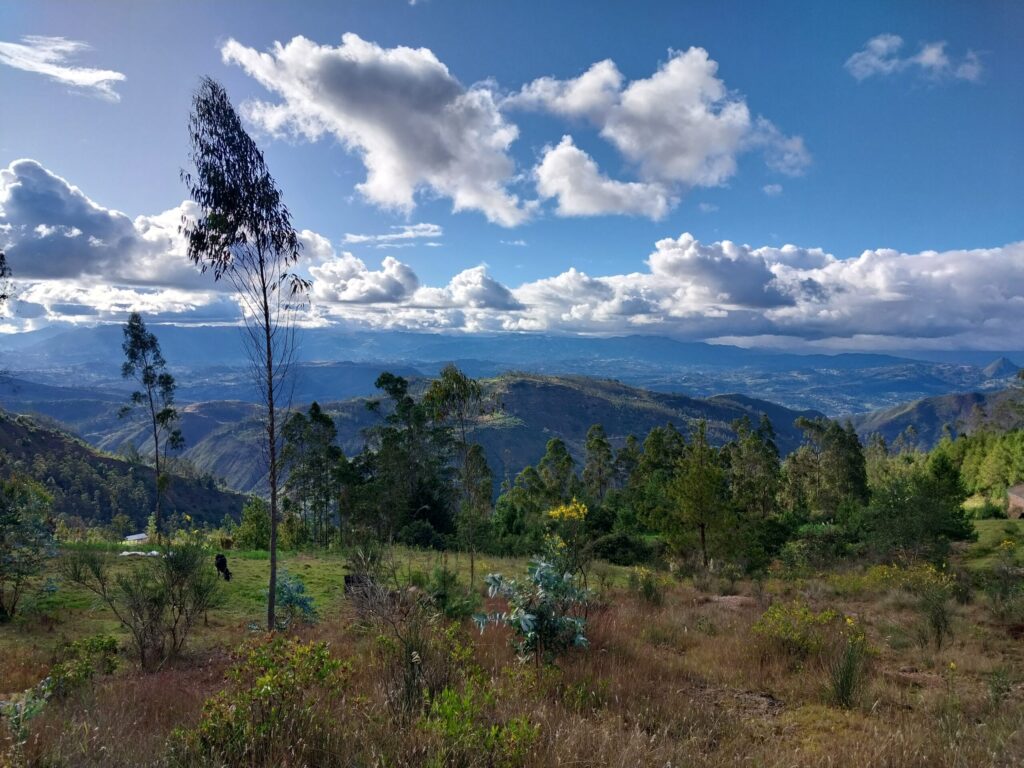
Ecuador is small but super diverse, which is one of the things I love about it. The country is relatively evenly cut up into 3 distinct regions being and coast, the mountains, and the jungle.
Each region of the country offers a very different energy and vibe.
The coast is where backpackers tend to flock to for parties and a laid-back beach life. Alongside Brazil, Ecuador has some of the best beaches in South America.
Peru’s beaches are mostly desert and not very accessible, Colombia’s Pacific beaches are mostly inaccessible, only leaving some touristy Caribbean beaches, Chile’s and Argentina’s beaches are cold… This makes Ecuador one of the most popular spots to soak up the tropical beach vibes on the continent.
Then you have the beautiful Andes. Lots of authentic towns, colonial towns, high altitude, and mountain weather, similar to what you will find in Peru, but not as barren. Then you have the Amazon. The jungle is the jungle, and is prime for adventure-seekers and off-the-beaten-track travelers.
So let’s look at some of the best backpacking spots in each region:
Andes (Sierra)
- Quito: The capital. Colonial charm, big city vibes, near some beautiful nature.
- Mindo: Small town in a cloudforest and biological reserve that is abundant in wildlife, about 2 hours from Quito.
- Baños: A very scenic city that’s surrounded by tall mountains. Full of waterfalls, hot springs, adventure sports, and that famous swing at the end of the world.
- Cuenca: Charming colonial city, more livable and nicer than Quito. Chill expat haven with great food, beautiful architecture, and a lovely river running through it.
- Vilcabamba: Also very scenic spot in the mountains. Small town, slower pace, and a spiritually inclined crowd.
Amazon (Oriente)
- Tena: City in the Amazon. Hot spot for Amazon tours and sightseeing.
- Misahuallí: A Small town in the jungle that’s full of mountains, on a river bank.
- Puyo: City in the Amazon, about an hour from Baños. Also popular for jungle tours, it has a nice malecon and river walk.
- Macas: Indigenous melting pot a little deeper in the Amazon. Good for expeditions, but not a whole lot else is happening.
Coast (Costa)
- Montañita: Party town full of craft stores, tourism, and a surfing hot spot. Check out the full guide here.
- Olón: Calmer, quieter beach town right next door to Montañita. Good for relaxation.
- Ayampe: The hippy beach town. Rustic, very chill, has a vibe and a growing spiritual community
- Puerto López: A medium-sized city on the coast that has a nice beachline, but not a whole lot else. Gateway to Isla de la Plata (aka “the poor man’s Galapagos”).
- Galápagos Islands: Not really the coast, we’ll put it here anyway. Not cheap and requires a flight, but once-in-a-lifetime.
Ecuador’s Climate and Times to Visit
Ecuador is a nice, steamy tropical country. It’s not close to the equator, it IS the equator, literally. Just translate equator to Spanish and see what you get…
With that said, Ecuador’s geography varies significantly because of the 3 major regions of the country, being the coast, the mountains, and the Amazon. Ecuador has 2 seasons, being rainy season (November – May), which is exactly what it sounds like, with hotter temperatures and more humidity, and dry season (June – October), which aligns with peak season and is generally the prime time to visit Ecuador.
While temperatures are generally consistent year-round, Ecuador has microclimates, which we’ll explore here.
- Andes: The mountains, or sierra, have Spring-like weather year-round. Days can get warm, although generally not hot, while nights can get cold, especially in higher-altitude areas like Cajas National Park. The highlands take up about 1/3 of the country, in a nice, fat, beautiful strip running vertically through the center of the country, separating the coast from the jungle.
- Coast: Generally very hot and humid. The rainy season can be miserable, not just because it’s raining all the time, but because the vacation spots are ghost towns and it’s unbearably humid at times. Good thing you have the beach… Although the best time to surf is during the dry season, if that’s your jam.
- Amazon: Surprisingly, the Ecuadorian Amazon isn’t as hot as you would expect, at least in my experiences being down there, perhaps 10 or so times over multiple years. Nights can get cool when you’re not so far from the Sierra, in which most of the visited towns and cities are. Humidity and temperature tend to heat up as you go further into the basin.
- Galápagos: December to May is warm and calm. June to November has better marine life.
Avoid national holidays if you don’t like crowds (like Semana Santa or Carnival). Touristy places like Montanita and Banos tend to get overrun during these times, and tend to bring in all the wrong sorts of people. If you are in these spots during this time, pay extra close attention to your pockets and take extra precautions.
Things to Do in Ecuador
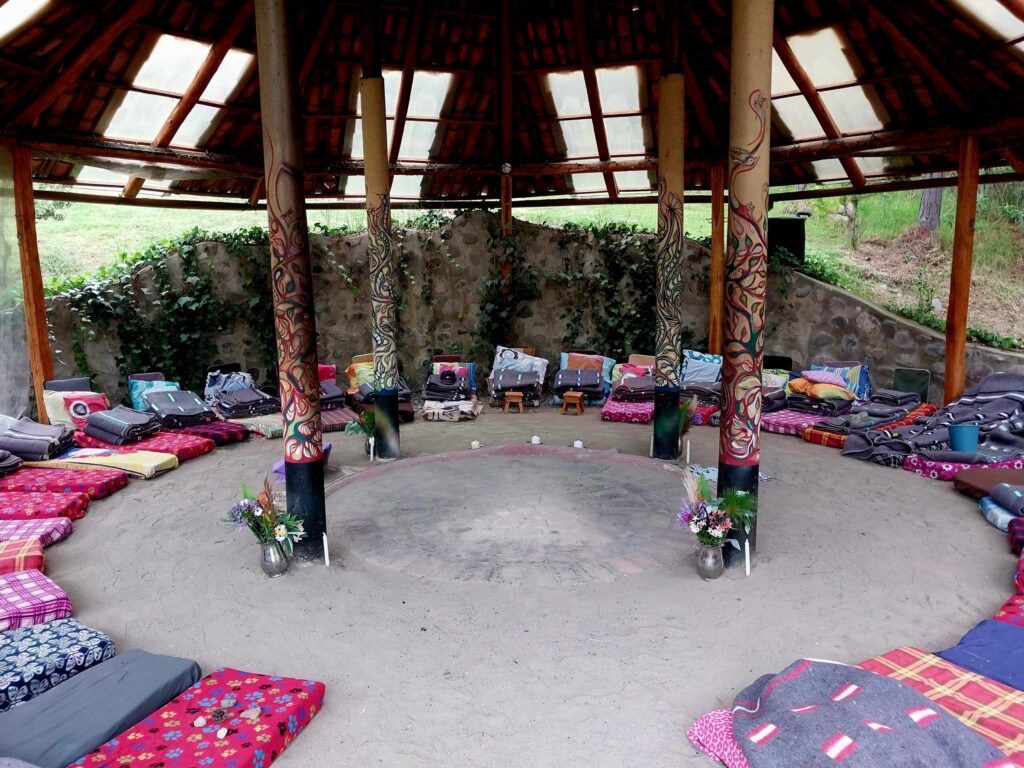
Okay, the nice thing about Ecuador is that there is something for everyone. Because not only is it environmentally diverse, but culturally diverse too.
Ecuador is one of those places that doesn’t get the spotlight it deserves. Maybe that’s what makes it so special. It’s affordable, full of character, and brimming with the kind of experiences that shift your soul a little bit. Whether you’re chasing waves, wandering through the Andes, or sitting in stillness in the Amazon, Ecuador gives you the space to explore more than just geography, but also yourself!
What you do depends on your vibe, but here’s a sample of what Ecuador has to offer:
Hiking
Hiking is a popular option for backpackers in Ecuador, especially within the Sierra, due to the pristine, mountainous terrain spotted with small, authentic villages. Some good hiking spots in Ecuador include:
- Quilotoa Loop: A multi-day trek through remote Andean villages, farmland, and dramatic canyon landscapes, centered around the stunning turquoise crater lake of Quilotoa.
- Cotopaxi Volcano: One of the highest active volcanoes in the world, Cotopaxi offers both moderate day hikes and challenging summit attempts. The area also features beautiful highland paramo ecosystems and panoramic views.
- Cajas National Park: A unique, high-altitude environment full of lakes and raw beauty. Located about 45 minutes outside of Cuenca, this park is known for its rugged terrain, foggy ambiance, and peaceful hiking trails.
- Vilcabamba: Known for many different hiking trails in the area. Known for many different hiking trails in the area. With its laid-back vibe and reputation for longevity, this southern town is surrounded by scenic valley and ridge hikes, including treks to Mandango (“The Sleeping Inca”) for sweeping views.
- Banos: Nestled in a lush valley between the Andes and the Amazon, Baños is a hiker’s playground. Trails like La Ruta de las Cascadas lead past waterfalls and into thick green forests, while the Bellavista trail and Casa del Árbol offer panoramic views of the active Tungurahua volcano. It’s a great place for day hikes that combine nature, adrenaline, and the spiritual energy the town is known for.
- Visit Galapagos: Galapagos is a hotspot for travelers because it’s like a biological laboratory. You can see many species of animals that exist nowhere else in the world. The only downside is that it’s a flight from the mainland, and spending some time on the Galapagos Islands can get pricey, considering it’s both an island and a tourist hotspot.
I haven’t been there myself as I’m a basic man on a budget, but I’ve met many travelers who have been there, and nobody regrets it! If you head over, I would suggest doing a tour, in which I’ll link one here, which is supposed to be good!
Jungle Exeditions
Although Peru is generally a more popular destination for exploring the Amazon, Ecuador also boasts a vast swath of jungle and is a great place for jungle exploration.
This is a great opportunity to see a vast array of different species, such as Howler monkeys, and to be culturally immersed in the rich indigenous culture of the jungles. Jungle expeditions often involve visiting local tribes, canoeing down the riverways, and trekking into the Jungle with a guide.
Puyo and Tena are often used as launching pads for expeditions. Want to do a jungle immersion starting in Tena? Here’s the spot!
Explore the nightlife
Ecuador has a vibrant nightlife, and some cities are excellent places to hit the bars or clubs, enjoy some drinks, and let loose. Some of the best places to experience Ecuador’s nightlife include:
- Montanita: Party town on the coast known for its big nightlife scene. This place is crawling with all sorts of bars, clubs, and venues, and sees a lot of tourism, both domestic and international.
- Baños: Over the years, Baños has built its reputation as a strong nightlife spot, especially Eloy Alfaro, which is a popular avenue full of bars, clubs, and restaurants.
- Quito: Being the capital, Quito has some good nightlife spots, especially the Mariscal district, which is the heart of the city’s nightlife
- Cuenca: And not to leave out Cuenca’s nightlife in this list. Although not centralized like some of the other cities, Cuenca too boasts a good nightlife scene, especially along Calle Larga, which is a tourist hub downtown, Ave. Remigio Crespo Toral, and the river. Other bars and nightclubs are located around the historical center, often in impressive historical buildings with charm.
Adventure sports
Ecuador is a popular spot for adventure sports. The adventure crowds tend to flock to Baños for affordable adventure sports, tours, and activities, including paragliding, whitewater rafting, ziplining, canyoning, giant swings, and bungee jumping. The coast, particularly Montanita, Olon, and Ayampe, sees some water sports such as surfing and kitesurfing.
Plant medicines
Ecuador, having a strong indigenous presence, is a mecca for plant medicine ceremonies, most notably Ayahuasca and Huachuma. If you’re a real adventurer sort who has a desire to sit in authentic shamanic ceremonies, Ecuador has you covered.
These ceremonies tend to be mostly found in the Sierra and the jungle, where you can find both affordable local ceremonies and retreats that cater to foreigners. The mountainous traditions tend to follow the Red Road (el camino rojo), while Amazonian traditions follow master plant dietas, where medicine is often shared by tribes such as the Shuar.
If you want to get involved with plant medicines, I suggest going to Gaia Sagrada, which is about half an hour from Cuenca. I was a guest here in 2017 and returned as a volunteer for 5 months in 2023.
Surfing
Ecuador is a big surfing spot! Montanita, especially, is full of surfing schools, where many people do surfing camps for a month or longer. Likewise, these beach towns often have plenty of surfboard rental places lining the beach, and lessons available.
The beaches in Ecuador have great waves and are some of my favorite beaches in South America. If you’re into surfing, this is a good place to go.
Looking for an immersive surf and yoga camp? Book Here.
Soak Up the Culture and History
Like most Latin American countries, Ecuador has a mix of colonial cities and indigenous culture, making it great for sightseeing and absorbing the culture. Cities like Quito and Cuenca have a lot of colonial architecture, while towns like Puyo, Tena, and Macas have a strong presence of indigenous culture that’s still alive today.
Do a yoga retreat
Yoga retreats are also a growing trend in Ecuador, as more people see just how magical a location Ecuador is for these sorts of things. The retreats are often affordable, and you can find them all over Ecuador. If you think a yoga retreat might be a good option for you, check out my list of the 5 best yoga retreats in Ecuador here.
How to Get Around Ecuador

Getting from place to place in Ecuador is generally quite convenient, considering it’s a relatively small country with quite a good intercity bus network. Let’s look at the most common ways that people get around.
- Intercity buses: Taking a bus is generally the way to go for backpackers to get around the country. Every city has a bus terminal, which tends to be well organized and easy to jump on/off. Buses run regularly, and you don’t need to book tickets or go through hoops to reserve a spot like you do in some countries. Intercity buses in Ecuador are comfortable, affordable, and punctual. They will take you pretty much anywhere you need to go in the country, and large cities like Guayaquil, Quito, and Cuenca have many connections.
- Local buses: Local buses are a very affordable option to get around cities or to surrounding areas. Usually, you will pay less than a dollar to get pretty much anywhere in the city you’re in. They may feel old and not be so comfortable, but they do the job. Often, local bus routes aren’t well mapped, and there may be some confusion regarding where to take the bus and where it’s going, as they often aren’t well marked. They often aren’t punctual, which can lead to long waiting times for a bus that may not arrive… Because of this, many travelers tend to skip this option.
- Collectivos: Collectivos are a common way of getting around in Ecuador. If you’re not familiar, a collective is like a communal jeep, or shagin-wagin, that picks people up while en route. These are common modes of shared transport, especially in rural areas, or when going to out-of-city places and tourist sites. They often run in locations where buses aren’t. Only issue is that it can be tricky to identify collectivos, and their operation is an informal process, which can create some confusion if you’re not weathered with Latin American transportation.
- Taxis: They’re everywhere in the cities, and you often find them lining up at Taxi ranks or outside the bus terminal (or beeping you down in the streets). Taxis in Ecuador are generally inexpensive. You may pay $2 – $3 for a 10 – 20 minute ride through the city, making them a generally affordable option to move around cities for backpackers. With that said, make sure you agree on a price before you jump in, because Taxi drivers sure love to squeeze every penny out of you, given the chance.
- Uber: Works in the big cities, but you may have some difficulty finding one in smaller towns and rural areas. Generally, I prefer an Uber over a Taxi, given the chance. While the costs are comparable, perhaps a little cheaper than a Taxi, the peace of mind of not having to hassle with negotiating a price… is priceless.
- Flights: If you’re willing to pay a little extra, flights are also a common way to get around the country. Mostly, people just fly from the main cities, such as Quito, Guayaquil, Cuenca, and perhaps Manta and Ambato, as catching flights to smaller airports can be expensive and inconsistent. Good way to shorten the trip, but considering you’ll probably be traveling cross-country anyway, I suggest sticking to overland travel.
Interaction Ecuador Map
For the last piece of the pie, I also created an interactive map for Ecuador where I’ve marked all of my favorite spots, including towns, cities, sightseeing locations, bars, restaurants, retreats, and more. As we wrap up this guide, I’m just going to link this bad boy here. This is a valuable resource and I’ve put a lot of love into it, so save it somewhere handy so you can refer to it when you’re living the dream and backing Ecuador.
Enjoy!